
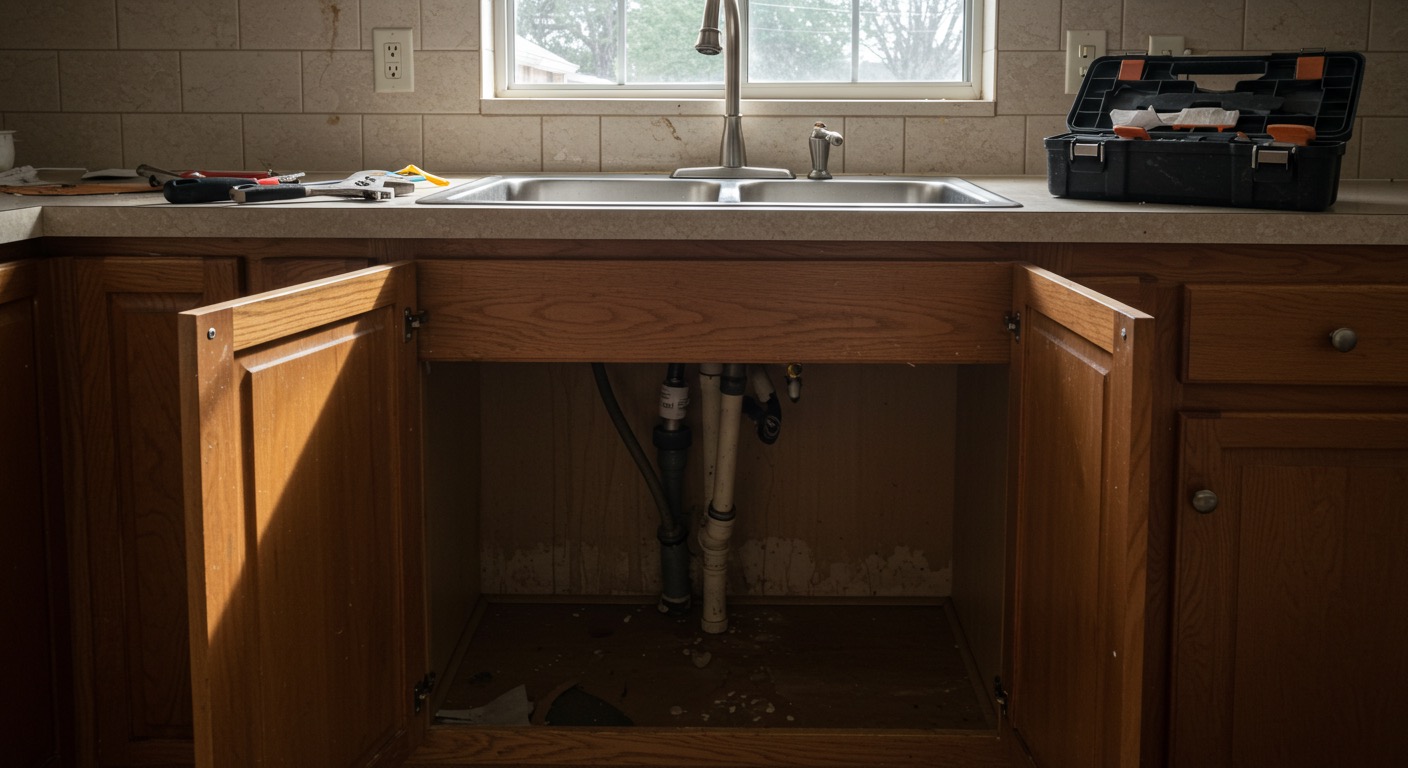
When water enters your property, calling a plumber feels like the natural response. They repair the burst pipe or faulty connection, stopping the flow and resolving the immediate crisis. Relief sets in, yet this moment is only the beginning of protecting your home.
The hours after plumbing work represent a critical window. While plumbers address the source, they rarely handle the full restoration needed to prevent hidden damage. Issues like mold growth, weakened structures, and indoor air concerns often emerge if no further steps are taken.
Responding swiftly during this short period can mean the difference between minor inconvenience and long-term damage. Professional attention addresses unseen moisture, preventing costly problems down the road. Quick action also helps safeguard your family’s health from harmful mold exposure.
This guide outlines the essential steps property owners should take after plumbing repairs, showing why professional water damage restoration is vital. Regent Restoration emphasizes that fixing the leak alone isn’t enough; comprehensive restoration ensures lasting protection for your home and health.
Understanding the Timeline of Water Damage
Water damage progresses faster than most property owners realize. Within 24 hours, porous materials like drywall and insulation absorb significant moisture. This rapid absorption creates ideal conditions for microbial growth, mold development, and structural weakening if not immediately addressed.
Restoration experts understand that water spreads in ways not visible to the eye. What looks like a minor puddle may hide widespread saturation behind walls or beneath floors. Advanced moisture detection tools often uncover damage far from the apparent source.
The first 48 to 72 hours are critical for intervention. Proper extraction and dehumidification during this period can stop most secondary damage. Delayed action, however, quickly complicates restoration and significantly raises repair costs, especially if hidden moisture remains untreated.
Humidity and temperature strongly affect this timeline. In warm, humid climates, mold spores can begin colonizing damp surfaces in just one to two days. These environmental factors highlight why time-sensitive action is so essential for preventing both mold growth and property deterioration.
Regent Restoration stresses that a swift response is the difference between a simple cleanup and major reconstruction. Their experience shows that waiting too long often transforms small water issues into large-scale, expensive restoration projects.
Prevent Secondary Damage with Science-Based Solutions
Secondary water damage occurs after the initial leak is resolved, when lingering moisture continues to harm building materials. This process involves interactions between water, construction elements, and indoor conditions that can create escalating problems throughout the structure if not properly addressed.
Capillary action allows moisture to travel through porous surfaces like wood, drywall, and concrete, spreading far beyond visible areas. This explains why flood damage restoration requires thorough evaluation. Professional tools such as thermal cameras and moisture meters identify the true extent of hidden water intrusion.
The main consequences of untreated secondary damage include:
- Elevated humidity levels from evaporating water, causing condensation in unaffected rooms
- Mold growth on organic materials like paper-backed drywall and wood framing
- Delamination or weakening of synthetic building materials
- Expansion of damage into adjacent areas through unnoticed moisture spread
The structure and materials of a home determine how severely it reacts to prolonged moisture. Organic materials often feed mold, while synthetic materials may break down over time. Without targeted intervention, these issues compound and raise both repair costs and health risks.
Rely on Professional Evaluation for Complete Accuracy
Property owners sometimes rely on visual checks or simple tools to gauge water damage. While this can reveal obvious issues, it often misses hidden problems. Professional assessments use advanced equipment and expertise to deliver a complete and accurate understanding.
Moisture meters provide precise readings of water content in building materials, guiding effective drying plans. They can detect moisture in areas that seem dry, preventing false assumptions and ensuring all affected spots receive proper treatment.
Thermal imaging cameras reveal patterns caused by evaporative cooling in wet materials. This non-invasive method highlights hidden moisture behind walls, under floors, and in ceilings, allowing restoration teams to target drying efforts more effectively and avoid unnecessary demolition.
Indoor air quality tests show whether water damage has created mold-friendly conditions or biological contamination. These tests are especially important when HVAC systems or poorly ventilated areas are involved, allowing professionals to address potential health risks early.
A real-world case shows the consequences of incomplete evaluation. A Denver homeowner fixed a leaking toilet supply line and cleaned visible water, but skipped professional inspection. Months later, they uncovered mold behind the vanity and baseboard, requiring $15,000 in renovation work.
Stop Mold Before It Starts by Acting Within 24-48 Hours
Mold spores are present in nearly all environments, indoors and outdoors, waiting for the right conditions to grow. When building materials absorb water, spores can activate within 24 to 48 hours. This short window makes a quick response essential to prevent complications.
Different molds have varying needs, but most thrive when humidity exceeds 60% and temperatures remain between 77 and 86°F. Unfortunately, these conditions are common in homes and businesses with water damage. Moisture and organic material create a near-perfect environment for growth.
Once mold begins to spread, it releases spores into the air. This can harm indoor air quality and trigger allergic reactions or breathing issues. Children, older adults, and those with weakened immune systems face greater risks from exposure to elevated spore levels.
Professional water damage services remove conditions that encourage mold before colonies take hold. Quick water extraction, thorough dehumidification, and antimicrobial treatments stop spores from multiplying. Our blog When Is the Perfect Time to Book Mold Remediation Services? explains how timing interventions makes all the difference.
Delaying action has serious financial consequences. Properties with mold problems often lose value and may require major remediation before resale. Insurance policies vary widely, and many exclude coverage for mold damage caused by slow or delayed responses to water issues.
Use the Right Tools for Effective Mitigation
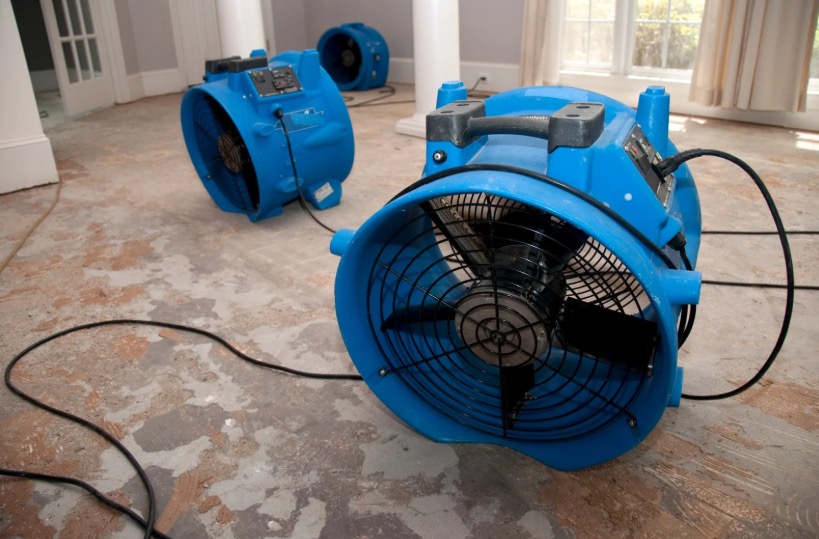
Professional water damage mitigation requires specialized equipment to remove moisture, promote drying, and track progress. Each tool works on proven principles to ensure efficiency while preventing secondary damage in unaffected areas.
Key equipment used during mitigation includes:
- Industrial-grade extractors that remove standing water from carpets, upholstery, and flooring with strong suction and cleaning solutions when needed
- Commercial dehumidifiers that lower indoor humidity, prevent secondary issues, and accelerate drying far better than household models
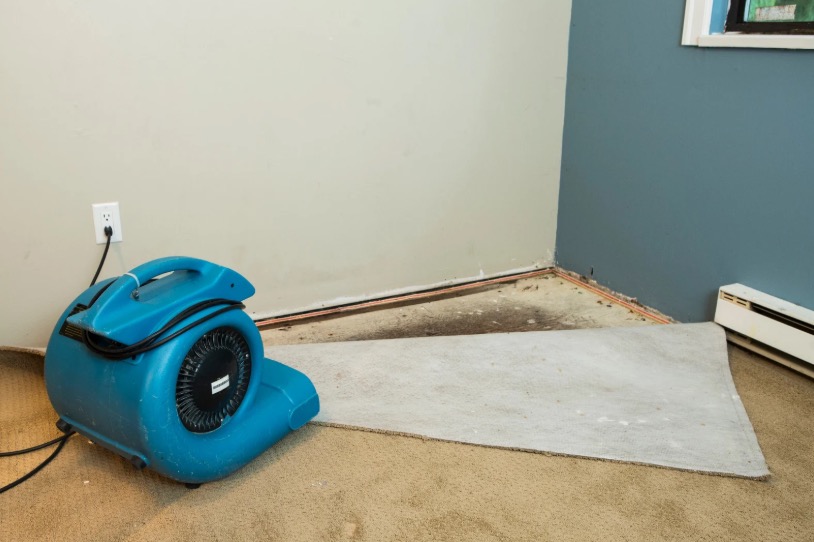
- Air movers that create airflow to speed evaporation and direct moist air toward dehumidifiers instead of recirculating it
- Moisture monitoring tools that verify safe drying levels, preventing under-drying that risks mold and over-drying that wastes energy
Together, this specialized equipment ensures complete restoration by addressing visible water and hidden moisture. Proper use of these tools helps protect property, reduce health risks, and shorten recovery time after water damage.
Protect Your Property’s Structure After Water Exposure
Water exposure can weaken structural elements in ways that aren’t immediately visible but lead to safety risks over time. Framing, subflooring, and other materials may deteriorate with prolonged moisture, making professional evaluation important to confirm ongoing stability.
Laminated products like engineered lumber and plywood can delaminate after water exposure, losing strength even when dried. This hidden damage often surfaces only under stress, creating hazards. Professional inspections help identify and replace compromised components before failure occurs.
Foundation and basement water damage is especially problematic. Limited airflow and high humidity allow moisture to remain trapped in concrete or masonry, causing spalling, efflorescence, and structural weakening that can persist long after initial flooding is addressed.
Metal components like nails, screws, and hardware can begin to corrode when exposed to moisture, weakening connections throughout the affected structure. This corrosion process continues even after visible water has been removed, making thorough drying essential for preventing long-term structural problems.
Create a Step-by-Step Plan for Lasting Protection
Developing a systematic approach to water damage mitigation ensures that nothing gets overlooked during the stressful period following a plumbing emergency. This action plan should prioritize safety, documentation, and professional intervention to minimize both immediate and long-term damage.
Immediate Response Steps (First 24 Hours):
- Document all visible damage with photographs for insurance purposes
- Remove standing water using appropriate extraction equipment
- Relocate valuable items and furniture from affected areas
- Begin dehumidification and air circulation to prevent secondary damage
- Contact professional restoration services for a comprehensive assessment
- Notify the insurance company and begin the claims process
Professional Intervention Requirements:
- Comprehensive moisture assessment using specialized equipment
- Development of a drying strategy based on materials and the extent of damage
- Implementation of a controlled drying environment with monitoring
- Indoor air quality testing to identify potential health concerns
- Structural evaluation when water exposure affects load-bearing elements
- Antimicrobial treatment to prevent mold and bacterial growth
The success of water damage mitigation depends heavily on coordination between property owners, restoration professionals, and insurance representatives. Clear communication ensures that everyone understands the scope of work required and the timeline for completion.
Regent Restoration has developed proven protocols that address both immediate concerns and long-term prevention strategies. Our systematic approach has helped hundreds of property owners avoid the costly mistakes that often occur when water damage response lacks proper coordination.
Frequently Asked Questions
How long does professional water damage restoration typically take after a plumber fixes the source?
Restoration timelines depend on damage extent, materials, and the environment. Minor cases may take 3-5 days, while extensive issues with drywall or insulation may need 1-2 weeks. Professionals monitor moisture to ensure safe drying rather than rushing the process.
Can I handle water damage cleanup myself if the affected area seems small?
Small spills on hard surfaces may be manageable, but significant water intrusion often spreads beyond visible areas. DIY methods miss hidden moisture in walls, flooring, and insulation, leading to mold. Professional equipment detects and treats unseen damage, preventing costly future repairs.
What’s the difference between water damage restoration and simply drying out wet areas?
True restoration goes beyond drying. It includes moisture assessment, controlled drying, antimicrobial treatment, air quality monitoring, and structural evaluation. Simply drying surfaces leaves moisture behind and ignores contamination risks. Professionals ensure complete removal, protecting property value and occupant health.
How do I know if water damage has affected areas I can’t see?
Specialized tools like moisture meters and thermal imaging reveal hidden damage behind walls, floors, and ceilings. Warning signs include musty odors, bubbling paint, humidity spikes, or discoloration along baseboards. Professional assessments confirm the extent of intrusion and guide proper restoration steps.
Will my insurance cover professional water damage restoration after a plumbing failure?
Coverage varies by policy and cause. Most homeowner policies cover sudden plumbing failures but may exclude gradual leaks or delays. Prompt action usually qualifies restoration work, but mold remediation may be excluded if the response is delayed. Review your policy and notify your insurer immediately.
Plan with Professional Support for Water Damage Today!
The period right after a plumber finishes repairs is critical to prevent minor water issues from turning into major damage. Fixing the leak solves the immediate problem, but complete mitigation requires specialized tools, professional knowledge, and a systematic process.
Homeowners who understand how secondary water damage develops and act within 24 to 48 hours can protect their property and maintain indoor air quality. Quick response also helps avoid expensive remediation for mold and hidden structural deterioration that grows worse over time.
Relying on local restoration expertise provides long-term protection. Professionals ensure moisture is fully removed, structures are evaluated, and future risks are minimized, keeping your home or business safe and secure well after the initial repair.
About Regent Restoration
Regent Restoration offers comprehensive water damage restoration and mitigation, with over a decade of experience serving homeowners and businesses across the region. We provide detailed assessments, emergency flood cleanup services, structural drying, and mold prevention to protect properties from immediate and long-term harm.
Our certified restoration team uses advanced moisture detection tools and proven drying techniques to ensure complete restoration. By focusing on efficiency and precision, we minimize disruption to daily life while protecting both the structure and safety of your home or business.
We know that water damage requires urgent attention and clear communication at every step. Our 24/7 emergency response includes thorough assessments, controlled drying environments, antimicrobial treatments, and air quality testing. We also coordinate directly with insurance providers to simplify claims and support coverage decisions.
Reach out to Regent Restoration at (214) 731-4624 to learn how our water damage restoration services can safeguard your property investment and create a healthier indoor environment. Discover our full range of home restoration services and see how we’ve helped clients prevent costly damage through prompt professional care.