
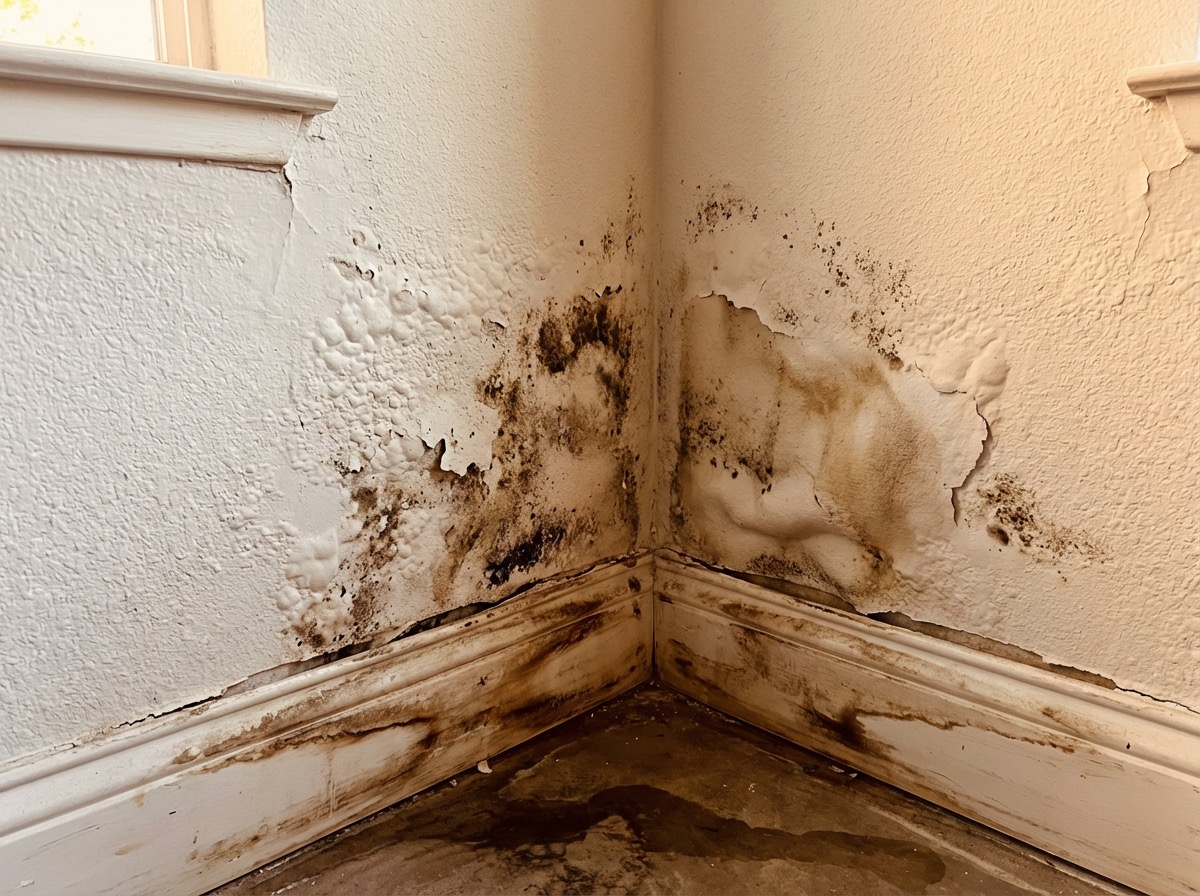
Water damage in a Plano home may start with a leaking supply connection, an appliance overflow, an HVAC drain problem or water entering from outside. Identifying the source helps determine who should repair it and what cleanup is needed afterward. The neighborhood name or age of a home alone cannot tell you what caused the damage.
Use the clues below to prepare for an assessment. They are starting points for a conversation, not a diagnosis of hidden plumbing or structural problems.
Plumbing connections and appliance leaks
Look for visible dampness around accessible sink cabinets, toilet connections, washing-machine hoses and water-heater areas. A supply leak may continue when a fixture is not in use; a drain leak may appear only during use. Avoid moving heavy appliances or opening walls to investigate.
If the water bill has changed unexpectedly, review household use and check for visible leaks. EPA WaterSense suggests comparing water-meter readings over a period when no water is being used as one way to detect a possible leak. A meter change does not locate the problem; a plumber can investigate it.
Water beneath flooring or near a slab
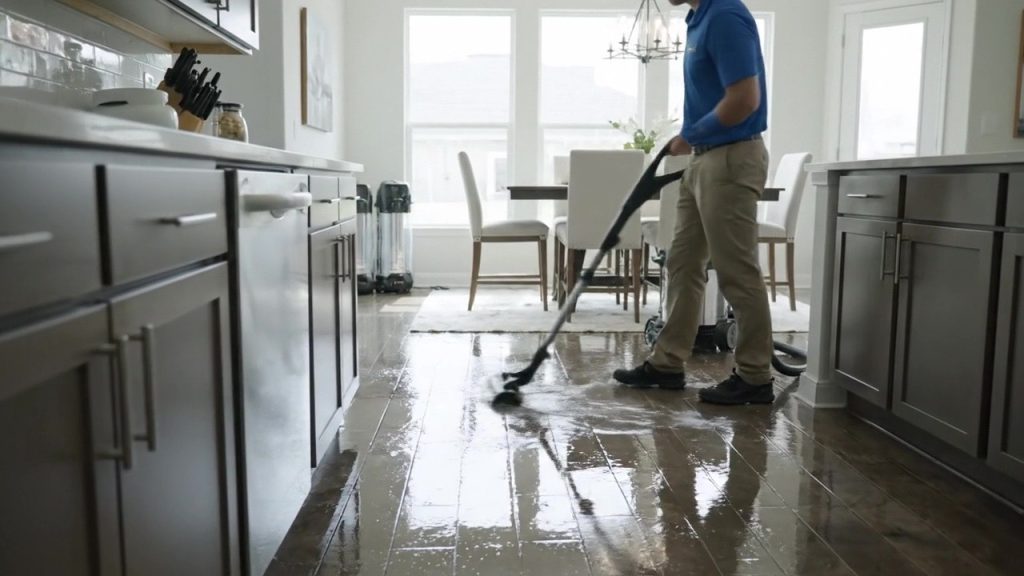
Damp flooring, an unexplained wet patch or the sound of running water deserves investigation. These signs do not by themselves prove a slab leak or foundation failure. Water can travel from an appliance, wall or exterior opening before it becomes visible.
Tell the plumber where the moisture appeared and whether water use or weather seems connected. If a leak beneath the slab is suspected, discuss appropriate leak-location work before demolition or foundation repairs are proposed.
Air-conditioning condensate and drain problems
Air-conditioning equipment produces condensate that needs a working drainage path. If water appears near the equipment or on a ceiling below it, contact an HVAC technician to investigate the drain, pan and equipment. Restoring the wet ceiling or flooring is a separate task from correcting the HVAC fault.
For overhead stains, our ceiling water-stain guide explains what to record and what to ask before repairs. A stain beneath attic equipment should not automatically be attributed to plumbing.
Freezing Weather and Pipes in Unheated Areas
North Texas winters are usually mild, but a hard freeze can still reach pipes in garages, attics and exterior walls. The Texas Department of Insurance’s winter storm guidance suggests wrapping pipes in unheated areas, removing garden hoses, draining sprinkler systems and opening cabinets under sinks so indoor heat can reach the pipes during a freeze.
If you leave home before a freeze, TDI recommends turning off the water at the shutoff valve and leaving the heat on. If a pipe has already frozen or burst, shut off the main water supply to limit damage. Follow any water-use instructions from the City of Plano during a freeze. Damage from a frozen pipe often shows up only after temperatures rise, so check ceilings, walls and flooring near plumbing once the weather warms.
Rain entry and drainage around the home
After rainfall, record where water entered and whether it appeared near a door, window, ceiling or exterior wall. Keep photos of visible pooling and damaged areas from a safe location. A roofer or appropriate building professional can assess the entry point; restoration work addresses the materials that became wet.
A citywide description of soils or a nearby creek is not enough to establish your property’s flood risk. If you are assessing outside flooding, use address-specific flood information and the property’s drainage history. Do not assume every home in a particular Plano neighborhood has the same exposure.
Drain overflows and sewage backups
Water coming back through a drain or toilet requires a different assessment from a known clean-water supply leak. Keep people and pets away from sewage and contaminated water. Arrange plumbing help for the blockage or source and discuss professional sewage cleanup for affected materials.
The CDC’s flooded-home guidance also addresses contamination and electrical hazards. Avoid using electrical equipment in wet areas until it is safe to do so.
What to do when you discover water damage
- Keep away from electrical hazards, contaminated water and sagging ceilings.
- Stop using the suspected appliance or fixture. Shut off its water supply only if you know how and can safely reach the valve.
- Take photos and record when you first noticed the water.
- Contact the professional who can address the source, such as a plumber, HVAC technician or roofer.
- Arrange assessment of the affected materials and discuss water removal, drying and repairs.
Have your address, access details and property-management contact available. For a rental or shared building, let the owner or manager know so work can be coordinated.
Questions to ask about drying and repairs
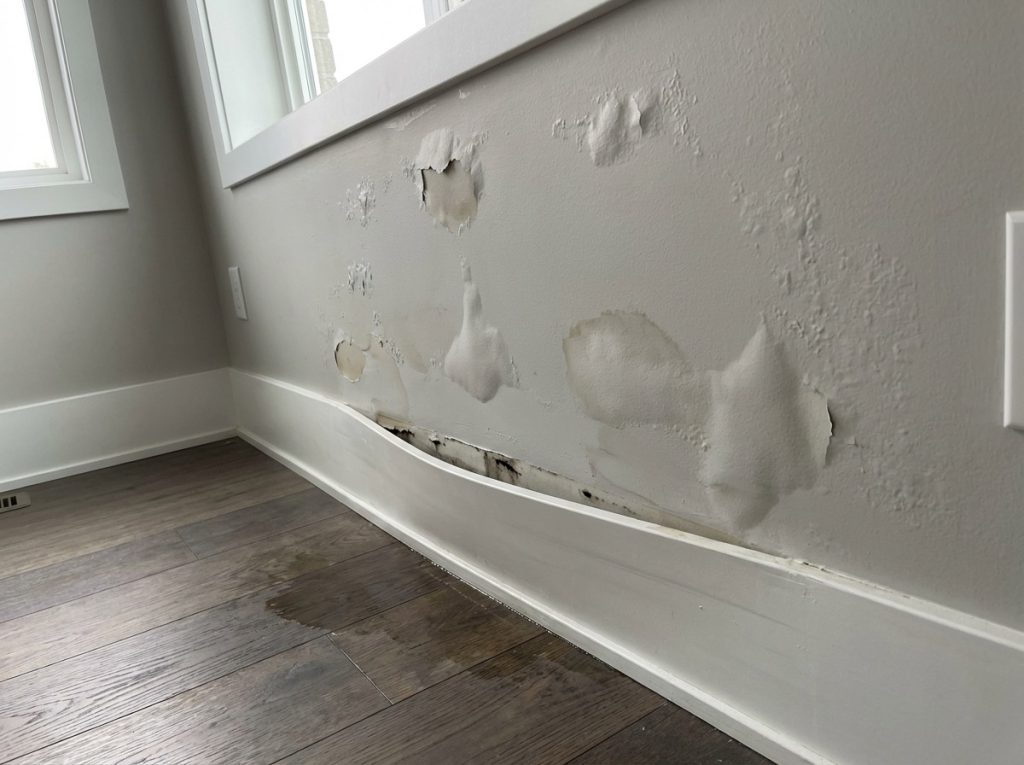
Ask which areas were checked, what materials can be saved and how drying will be monitored. A surface that feels dry is not the same as a documented assessment of the whole affected area. The repair scope should explain any proposed removal and reconstruction.
If you are filing an insurance claim, ask your insurer what records it requires. Keep photos, source-repair invoices and restoration receipts. The Texas Department of Insurance’s water-damage guidance explains why the cause and policy matter; coverage should not be assumed from the size of the damage.

What a Water Damage Assessment in Plano Can Include
When Regent Restoration’s Plano team responds, the work typically starts with checking the affected areas, taking moisture readings and extracting any standing water. Air movers and dehumidifiers are then used to dry the property, and follow-up moisture checks guide the next steps instead of a fixed number of days.
Once the materials are dry, the team plans repairs for anything that was damaged and documents the work, which can help with your insurance discussions. Coverage decisions remain with your insurer. If the damage reached a shared wall or common area in a condominium or townhome community, our guide to emergency restoration tips for Plano HOA communities explains how to coordinate with your association.
Frequently Asked Questions
How can I tell whether a leak is coming from plumbing or from outside?
Note when the water appears. Dampness that shows up during or after fixture use points toward plumbing, while water that appears after rain points toward an exterior opening. Record the timing, take photos and share both with the plumber or roofer, since the source has to be confirmed by inspection rather than by appearance alone.
Does Plano’s clay soil cause water damage inside a home?
Soil conditions alone do not tell you why water entered a particular house. Drainage around the foundation, gutters and grading all play a role. Our guide to foundation moisture and clay soil in Plano explains what to watch for and when to involve a foundation or drainage professional.
Should I run fans on a wet floor or carpet myself?
Only if the area is free of electrical hazards and the water came from a clean source. Fans move surface air but do not confirm that wall cavities, subfloors or padding are dry. Moisture readings show whether hidden materials still hold water, which is why a documented assessment is worth requesting for anything beyond a small spill.
What records should I keep after water damage in Plano?
Keep dated photos of the damage and the source, the invoice from the plumber, HVAC technician or roofer who made the repair, and any restoration paperwork such as moisture readings and drying records. Ask your insurer which records it needs, since requirements vary by company and policy.
Is Regent Restoration available after hours in Plano?
Yes. Regent Restoration’s Plano emergency line is available day and night at (214) 915-2482. Share your address and what happened so the team can explain response availability and the next steps for your property.
Water damage restoration for your Plano property
Regent Restoration provides water damage restoration in Plano, including water removal, structural drying and repairs. Call the Plano team at (214) 915-2482 to describe the damage and discuss response availability.
For the stages of recovery, see our water damage restoration service. If the issue began with flooding, review our flood cleanup information when discussing the appropriate scope.