
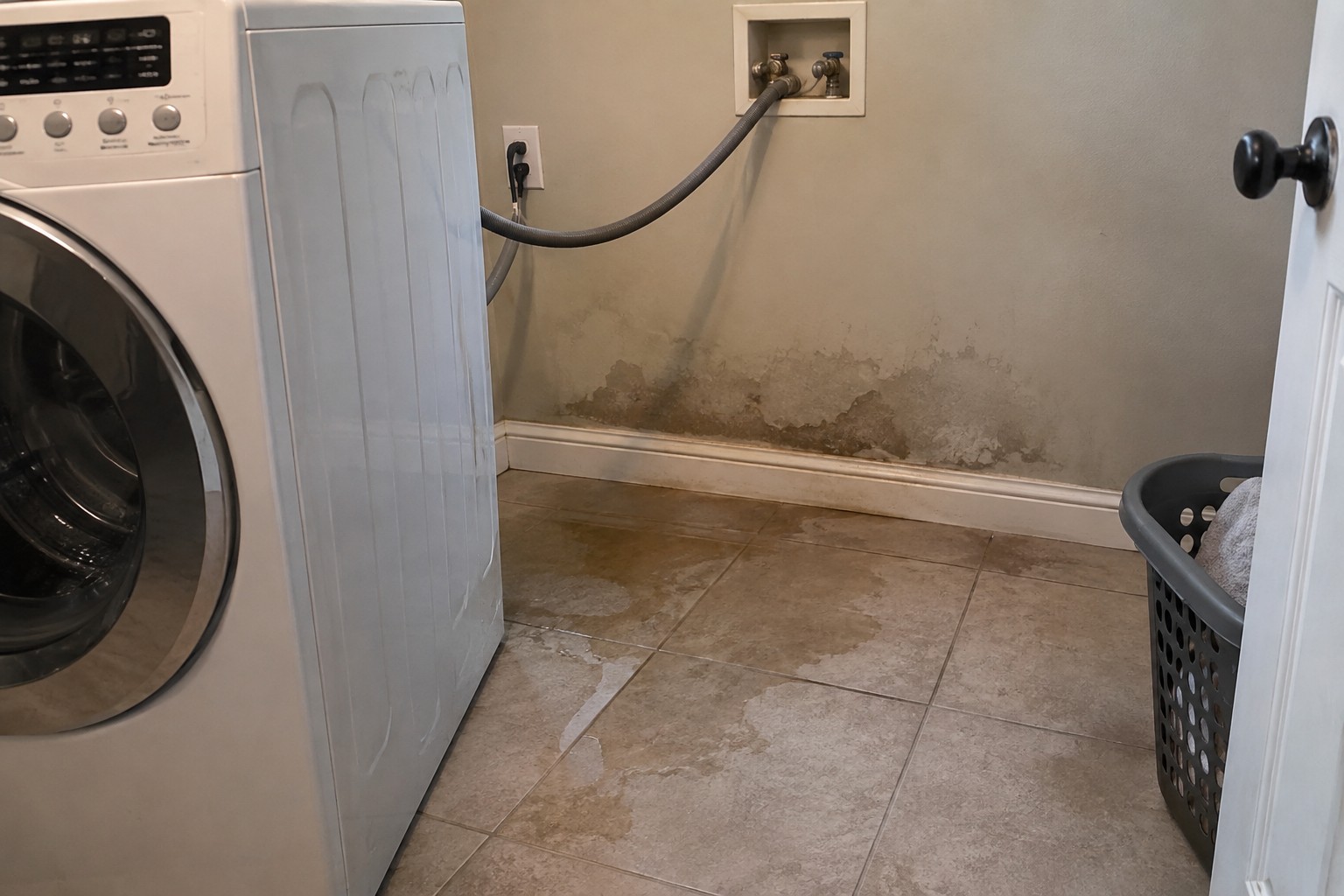
Water on the floor creates two urgent questions: how do you stop the damage, and will insurance help pay for the cleanup? A burst supply line, a leaking appliance connection, and a slow drip inside a wall may leave similar damage. They do not necessarily lead to the same coverage decision.
For Lewisville homeowners, the distinction between sudden and accidental damage and damage from a gradual leak matters. So do the details of your policy. A restoration company can explain the work your home needs and document what it finds. Your insurer decides whether that loss is covered.
This guide explains the distinction without promising a claim outcome. It is general information, not legal advice or a determination of coverage.
Key Takeaways
- Most homeowner and renters policies cover sudden and accidental water damage, but the cause of loss, policy wording, exclusions, and limits still matter.
- Gradual leaks and seepage are commonly excluded. Finding a stain today does not, by itself, establish when or how the leak began.
- A burst pipe and a flood from rising water are different insurance situations. Standard home policies do not cover floods.
- Take safe steps to prevent further damage, keep factual records, and speak with your insurer before permanent rebuilding.
- Regent Restoration can document extraction, moisture readings, drying, and repairs. We do not decide coverage or negotiate a claim as a public adjuster.
What Sudden and Accidental Water Damage Means
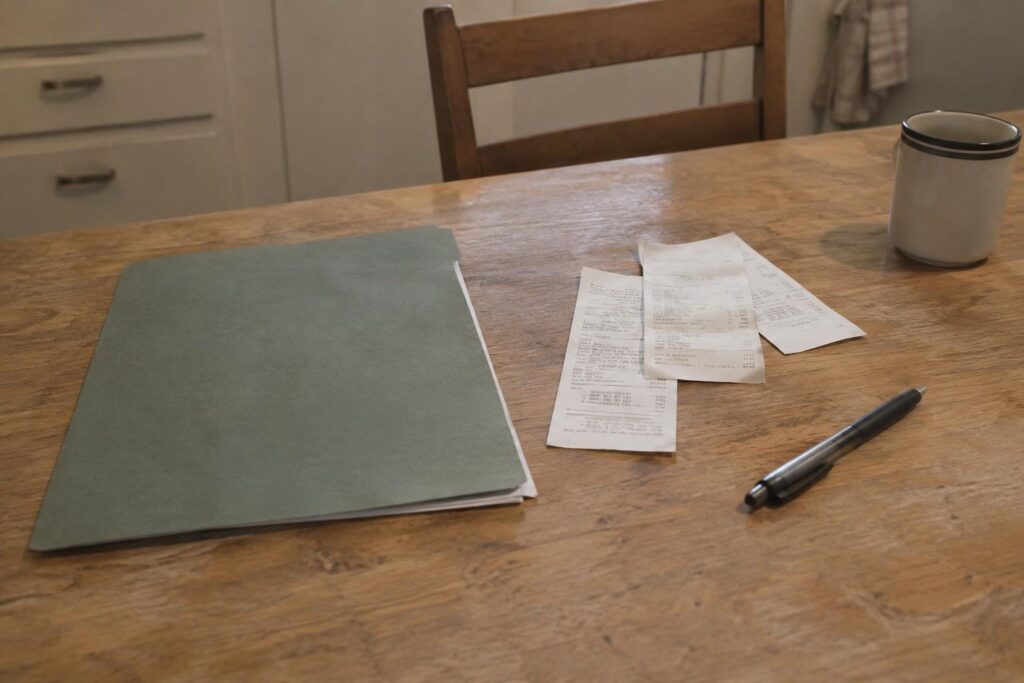
The Texas Department of Insurance explains that most homeowner and renters policies cover sudden and accidental water damage, using a burst pipe or a broken washer hose as examples. That does not mean every wet room is automatically covered. The insurer reviews the cause and circumstances alongside the policy.
A supply line that fails unexpectedly can release water into a kitchen, hallway, or laundry room. Even after a plumber stops the leak, water may remain in flooring, baseboards, cabinets, or wall cavities. The damage assessment and the insurance review are related, but they are not the same job.
You can read the primary guidance on the TDI homeowners insurance and disaster claims FAQ. For questions about your own loss, review your policy and contact your agent or insurer.
How a Gradual Leak Is Different
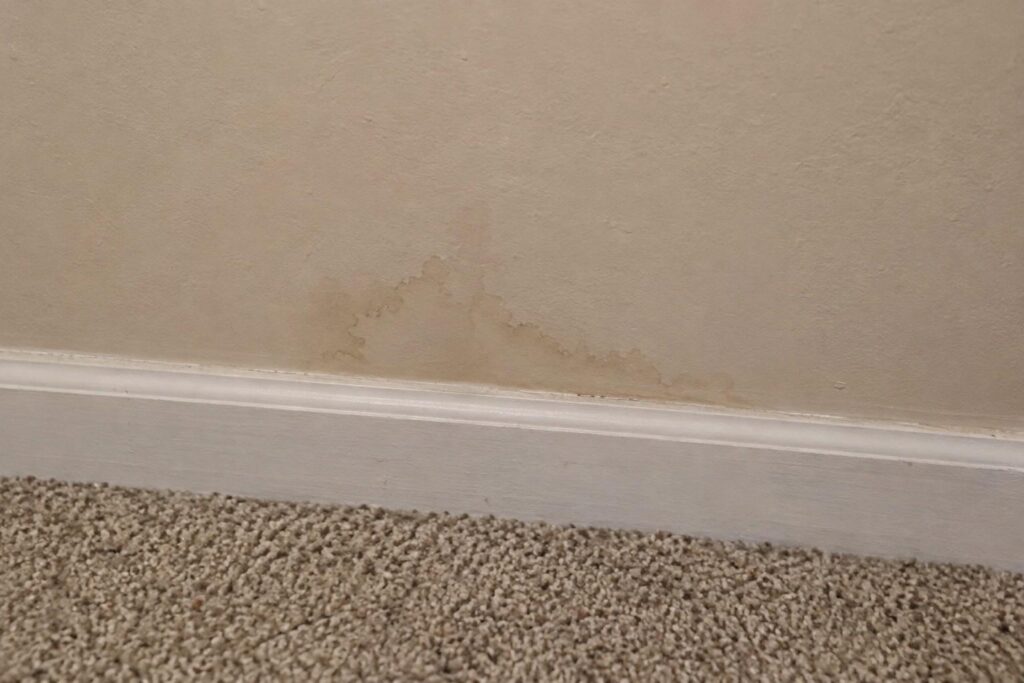
A slow leak can keep materials damp without producing an obvious puddle. A stain may appear below a bathroom, a cabinet may smell musty, or flooring may swell near an appliance. Those signs call for investigation. They do not tell you, on their own, exactly how long the water has been there.
TDI says most home policies do not cover water damage from gradual leaks or seepage, including resulting mold. Avoid turning that general guidance into a guess about your own coverage. Policy terms differ, and the cause needs to be established from evidence.
Tell the plumber, restoration team, and insurer what you actually observed. If you do not know when the leak started, say that. Do not change the timeline to fit a phrase you think an adjuster wants to hear.
The Date You Found Damage Is Not Necessarily the Date It Started
“I found water on Tuesday morning” is a useful fact. “The pipe failed on Tuesday morning” is a different statement unless you have evidence of the failure.
Separate the information you know from the questions still being investigated:
- When did you first notice water, staining, an odor, or a change in the room?
- Was the water running when you found it?
- When was the water supply shut off?
- What did the plumber find, repair, or replace?
- What affected materials and moisture levels did the restoration team record?
Keep original photographs, the plumber’s invoice, and written findings. If a failed part is replaced, ask whether it can be photographed or retained safely. Professionals can explain their observations, but no one should manufacture a cause or a timeline for a claim.
Many Lewisville homes have plumbing that runs through spots you rarely look at, such as the cabinet under a kitchen sink, the wall behind a washing machine, the closet that houses a water heater, or the attic above a bathroom. A small drip in one of these places can go unnoticed for weeks. By the time a stain spreads across a ceiling or a baseboard swells, the moisture may have been present much longer than the visible damage suggests. That gap is exactly why the date you found the water and the date the problem began can be two different things.
A few simple habits make the timeline easier to explain. Check under sinks and around appliances when you clean, note the date of any plumbing work or appliance installation, and keep receipts for replacement supply lines or valves. If you notice a musty odor, a warped floorboard, or paint that is bubbling, take a dated photo before anything is moved. These records do not decide coverage, but they give your insurer and your restoration team clear, honest information to work from.
What to Do First After a Pipe or Appliance Leak
Safety comes before photographs. Stay out of standing water and away from wet outlets, appliances, cords, or an electrical panel. If electrical equipment may be wet or access is unsafe, contact a licensed electrician or your utility. Do not approach a wet panel to operate breakers.
Shut off the water at a fixture valve or main shutoff only if you can reach it safely. A licensed plumber or other appropriate trade should repair the source. Keep people and pets away from sagging ceilings, slippery surfaces, and potentially contaminated water.
Then report the loss promptly and arrange safe mitigation. TDI recommends doing what is needed to keep damage from getting worse, taking photos and videos, and saving receipts. You do not need to leave water spreading through your home while you wait for an adjuster.
Regent Restoration’s water damage restoration services include water removal, moisture detection, structural drying, and repairs. Coverage for any expense is a separate question for your insurer.
Keep the Pipe Repair Separate From the Resulting Damage
There are often two scopes after a plumbing loss. One is fixing the failed pipe, fitting, or appliance connection. The other is extracting water, drying affected materials, and repairing the damage left behind.
Do not assume your policy treats those scopes identically. Ask your insurer which parts of the work it is reviewing, whether any limits or exclusions apply, and what documentation it needs. Keep the plumber’s invoice separate from the restoration estimate so the work is clear.
Regent Restoration focuses on the water damage and restoration work. Qualified trades handle repairs to the plumbing or other system that caused the loss.
Why Professional Drying Records Still Matter
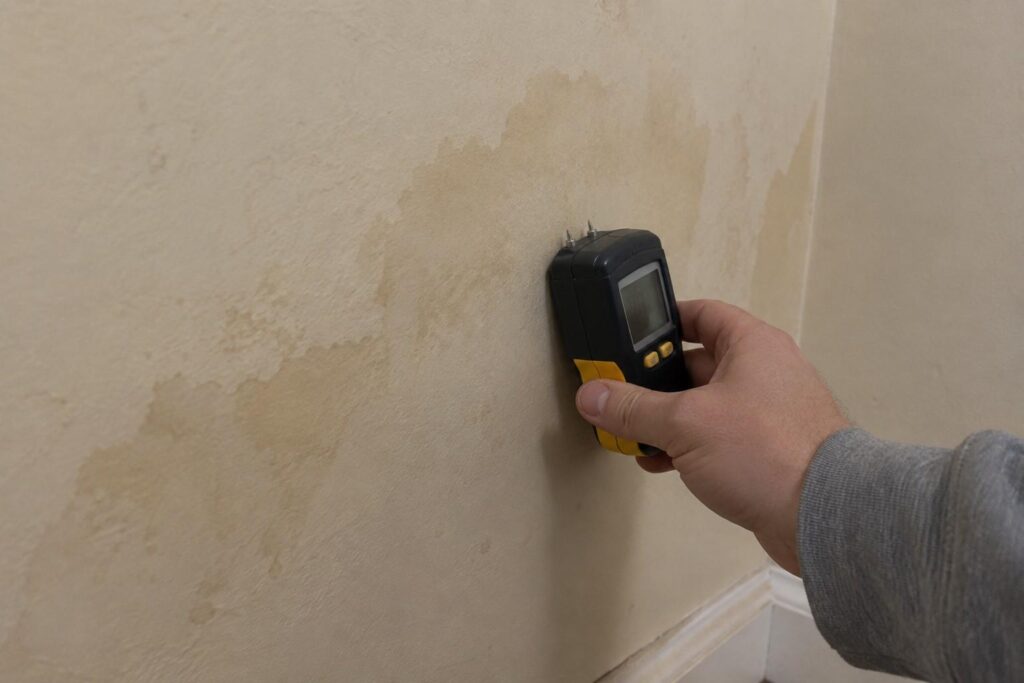
Your insurer may need information about the damaged rooms and the work performed. That remains useful whether coverage is accepted, disputed, or still under review.
A restoration team can map wet materials, record moisture readings, explain why equipment was used, and document materials removed or repaired. These records describe the condition of the property and the restoration work. They are not a promise that the insurer will pay.
Keep copies of estimates, approved work authorizations, photographs, equipment and drying records, invoices, and correspondence. For a room-by-room preparation checklist, read what to document before the insurance adjuster arrives after water damage.
Mold and Flooding Need Their Own Coverage Questions
Mold can develop after a water loss, but its presence does not establish the cause of the original leak. Ask your insurer how your policy addresses mold and whether limits, exclusions, or other conditions apply. TDI distinguishes mold associated with sudden covered water damage from mold caused by gradual leaks or seepage.
Flooding from rising water is another separate issue. TDI says home policies do not cover floods; separate flood coverage is needed. A burst pipe inside the home should not be described as a flood-insurance event simply because the floor is covered with water.
Use clear descriptions when reporting the loss: where the water came from, what you saw, and what has been confirmed. Let the insurer apply the policy.
Questions to Ask Before Permanent Repairs
Drying and temporary protective work can prevent additional damage. Replacing cabinets, flooring, or wall finishes is a different stage. TDI advises homeowners to talk with their insurer before permanent repairs.
Ask:
- What information is still needed to evaluate the cause and damage?
- Should the failed part, damaged materials, or a sample be retained for inspection?
- Which estimates and invoices should I send?
- Are there policy limits, exclusions, or deductibles relevant to this loss?
- Has the insurer agreed to any part of the scope, and can that be confirmed in writing?
Keep a record of the answers. An approval to perform work and an insurer’s agreement to pay are not interchangeable.
If You Disagree With a Coverage Decision or Payment
Start with the insurer or your agent and ask for an explanation of the decision and the policy provisions being applied. TDI says a rejected claim must be explained in writing. If you disagree with a payment amount, provide documentation to support your position.
An itemized restoration scope can help explain what work is needed. It does not turn the restoration contractor into your coverage decision maker. Depending on the issue, you may need guidance from TDI or an appropriately licensed professional.
The TDI claim-payment guide explains the process and deadlines. For general insurance questions, the TDI Help Line is 800-252-3439.
Frequently Asked Questions
Does Homeowners Insurance Cover Water Damage From a Burst Pipe?
Most homeowner policies cover sudden and accidental water damage, but your insurer must apply your policy to the cause and circumstances. Ask about exclusions, limits, your deductible, the pipe repair, and the resulting damage separately.
Is a Leak Automatically Sudden Because I Just Found It?
No. The discovery date and the date the leak began may be different. Record what you know and let qualified professionals investigate the source. Do not guess how long a leak existed.
Should I Wait for the Adjuster Before Water Extraction?
Do not allow damage to worsen while waiting. Document from a safe position, arrange prompt professional mitigation, and keep receipts and work records. Speak with your insurer before permanent rebuilding.
Does Homeowners Insurance Cover Mold After a Leak?
It depends on the cause of the water damage and your policy. TDI says most home policies do not cover water damage from gradual leaks or seepage, including resulting mold. Ask your insurer about the facts of your loss and any applicable mold provisions.
Can Regent Restoration Decide Whether My Claim Is Covered?
No. We can provide restoration estimates, photographs, moisture readings, drying records, and explanations of the work performed. Your insurer decides coverage. Our restoration role is not public adjusting or negotiating your policy claim.
What Should I Do if My Claim Is Denied?
Ask for the written explanation and the policy provisions the insurer relied on. Provide any relevant factual records, contact your agent or insurer with questions, and use TDI’s consumer resources if you need help understanding the process.
Get Help With the Water Damage in Your Lewisville Home
You do not have to resolve every insurance question before getting help with an active water loss. Start with safety, stop the water if it is safe, and arrange the right professionals to repair the source and restore affected rooms.
Regent Restoration provides water removal, moisture detection and mapping, structural drying, contents recovery, and repairs for Lewisville homeowners. We can document our work and share records with your insurer while keeping coverage decisions where they belong.
Call (214) 731-4624 or contact Regent Restoration to discuss your water damage. You can also visit Regent Restoration at 824 Office Park Cir #100, Lewisville, TX 75057.