
Mold prevention starts with controlling moisture inside the home. For Denton homeowners near Pecan Creek, it is also useful to understand the property’s drainage and flood exposure. Living near the creek does not, by itself, establish that your home has unusually high indoor humidity or a mold problem.
This guide separates address-specific flood information from the everyday steps that help limit indoor moisture: checking for leaks, tracking humidity and dealing with wet materials promptly.
Check the property’s flood information, not just its distance from the creek
The City of Denton’s flood-protection page identifies Pecan Creek and North Pecan Creek among the city’s flood-hazard corridors and provides map resources. Use those resources for the actual address and contact the city when you need help interpreting the information.
Keep records of past water entry, recurring yard pooling and drainage repairs. These observations are more useful during a property assessment than assuming every house near the creek faces identical conditions. Flood mapping also does not diagnose moisture inside a wall, attic or crawl space.
Measure indoor humidity and investigate recurring dampness
A humidity meter can help you notice patterns in bathrooms, laundry rooms and other areas that stay damp. EPA recommends keeping indoor relative humidity below 60%, ideally between 30% and 50% where possible. See its guide to mold and moisture.
Record readings at different times rather than relying on one measurement. Note condensation, odors and whether the room was recently used for bathing or cooking. If humidity remains high, discuss ventilation, dehumidification and equipment operation with an appropriate professional.
Keep moisture-producing activities properly ventilated
Use bathroom and kitchen exhaust systems that discharge outdoors. If you are unsure where a fan vents, ask an HVAC or building professional to check it. An open window is not always helpful when outdoor air is humid.
Follow equipment maintenance instructions and investigate condensate leaks promptly. Do not redesign attic or crawl-space ventilation based on a generic checklist: the existing construction, drainage and equipment should be assessed together.
Look for leaks and water entry during routine checks
- After using plumbing: notice new dampness around accessible sink cabinets, toilet connections and appliance areas.
- After rainfall: record new staining around windows or ceilings and pooling near the house, from a safe location.
- Near cooling equipment: report water around the condensate pan or drain to an HVAC technician.
- In stored belongings: investigate damp boxes or recurring musty odors instead of masking them.
If you notice a ceiling stain, our ceiling water-stain guide explains what to record before investigation. Keep clear of sagging material and wet electrical equipment.
Respond promptly when materials get wet
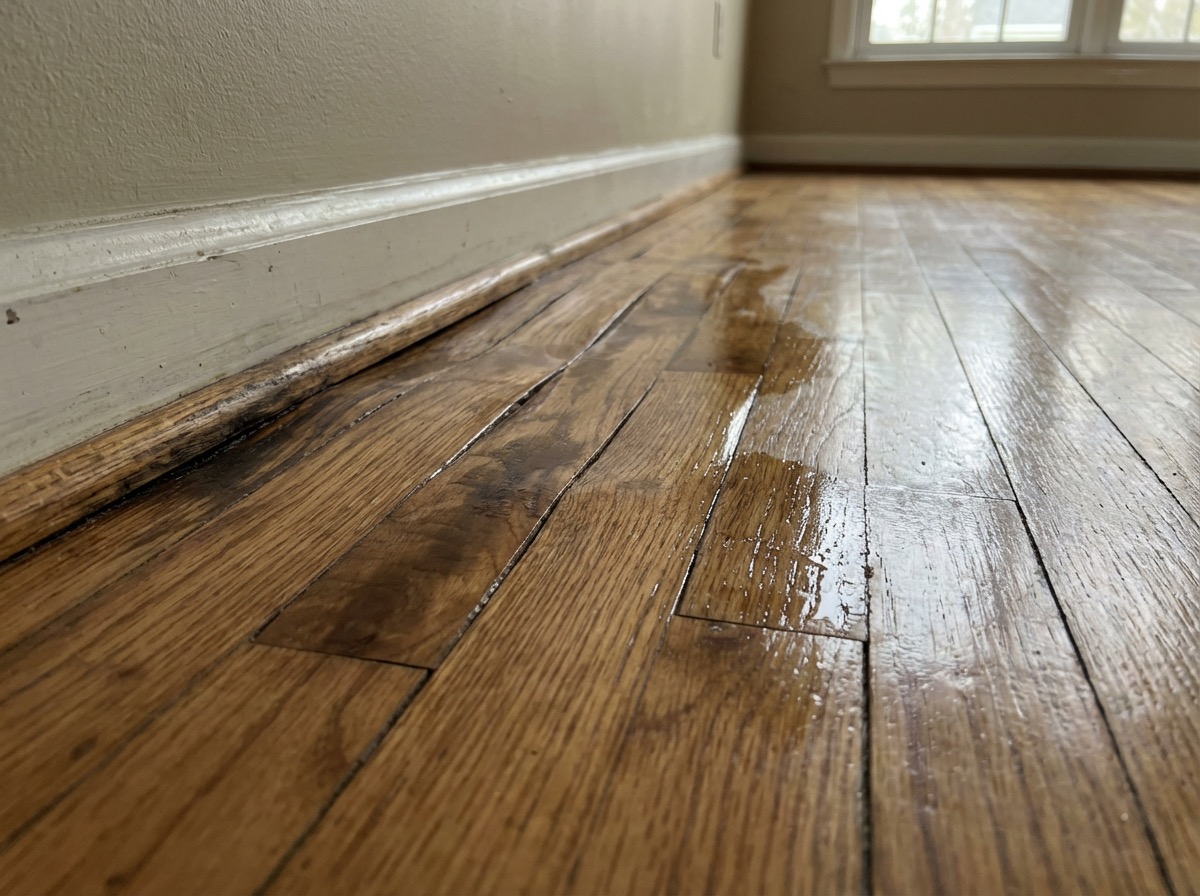
EPA recommends drying water-damaged areas and items within 24 to 48 hours to help prevent mold growth. This is a prompt-action guideline, not a guarantee that mold will or will not appear at a particular hour. The extent of drying work depends on the water and materials involved.
Fixing the source and dealing with affected materials are both necessary. Ask which areas have been assessed, whether hidden spaces need attention and how progress will be checked. Regent’s Denton water damage restoration service can help with assessment, water removal, drying and proposed repairs.
If outside floodwater or sewage entered the home, keep people and pets away from contaminated areas and seek appropriate cleanup assistance. The CDC’s flooded-home guidance describes contamination and electrical precautions. Do not operate wet equipment or use fans where electrical safety has not been established.
If you find visible growth or a persistent musty odor
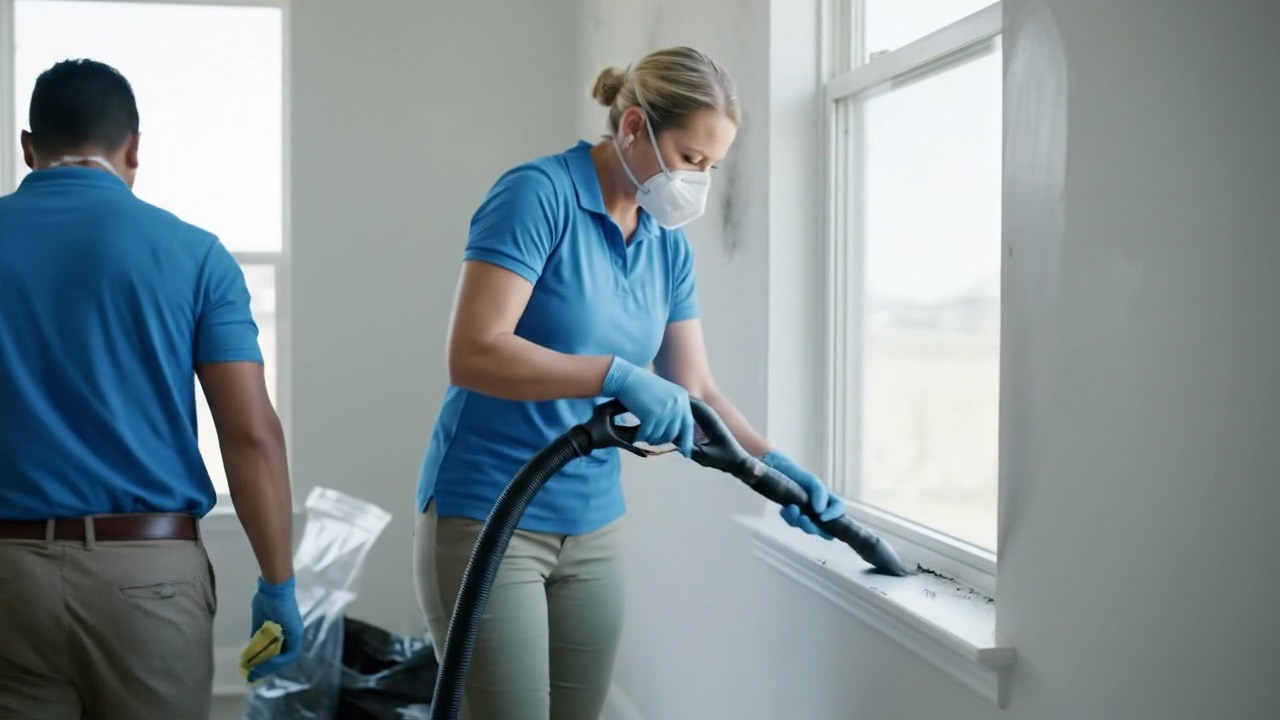
Record where it occurs and any known water event. Do not assume the color identifies the mold species or tells you how to handle it. Avoid covering affected materials with paint as a substitute for investigating the moisture.
The cleanup approach depends on the affected material, extent and location. Suspected growth in an HVAC system or a large or hidden area warrants professional evaluation. See the CDC’s mold cleanup guidance before attempting cleanup, particularly if someone in the home has health concerns.
Ask a prospective provider what assessment and cleanup work it performs and what qualifications apply. Our mold remediation page explains Regent’s service. Resolving the moisture source should be part of the conversation, along with the affected materials.
Common prevention questions
Does a home near Pecan Creek automatically need mold testing?
No conclusion about a particular home can be drawn from the creek name alone. Start with the property’s history, visible conditions and any known leaks. Discuss suspected problems with a qualified professional rather than ordering work solely because of proximity.
Can mold return after cleanup?
It can if the conditions supporting growth remain. Ask what caused the moisture and how that cause will be addressed alongside cleanup.
Should I change my crawl-space drainage myself?
Recurring standing water deserves an assessment of the source and drainage. Avoid selecting a drain, ventilation system or vapor barrier solely from a general article; the appropriate approach depends on the property.
Discuss moisture damage at your Denton property
Call Regent Restoration’s Denton team at (469) 658-0842 to describe the affected area and discuss service availability. For water that has already entered the building, review our flood cleanup information and keep photos of the damage and any source repairs.