

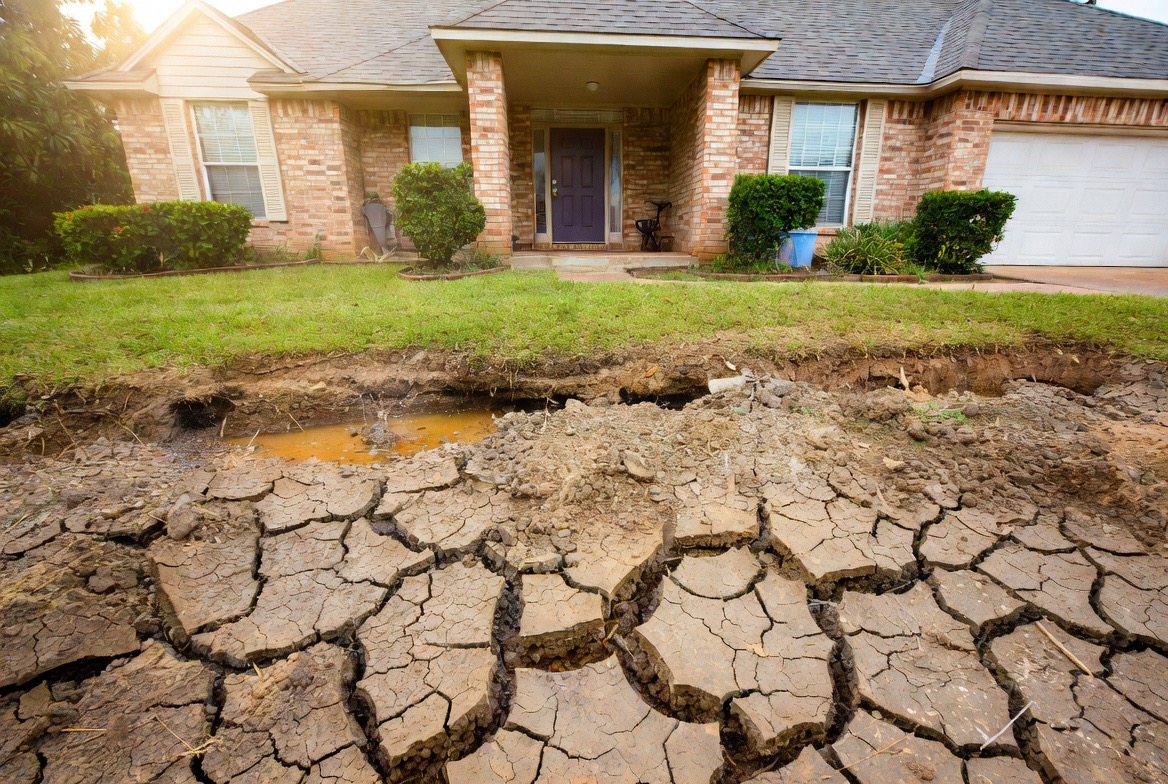
If you own a home in Plano, TX, you are living on some of the most reactive soil in the country. The clay-rich earth beneath neighborhoods like Willow Bend, Hunters Glen, Gleneagles, and Ridgewood Hills has a direct and measurable impact on your home’s foundation, plumbing, and overall structural health. Foundation moisture problems are not a matter of “if” in Plano. They are a matter of “when” and “how much.”
Understanding the relationship between clay soil, moisture, and your foundation is one of the most important things you can do as a Plano homeowner. The knowledge can help you recognize early warning signs, take preventive action, and respond effectively when moisture-related damage occurs. This guide covers the geology, the risks, and the practical steps that matter for homes in this part of North Texas.
The Geology Beneath Plano
Plano sits within the Blackland Prairie region of Texas, a geological zone characterized by dark, heavy clay soils derived from underlying formations including the Austin Chalk and Eagle Ford Shale. These formations were deposited during the Cretaceous period and have been weathering into expansive clay for millions of years. The result is a soil profile that is dense, slow to drain, and highly reactive to changes in moisture content.
The specific type of clay found beneath most of Plano is classified as montmorillonite, or smectite clay. This type of clay has a unique molecular structure that allows it to absorb large quantities of water, expanding significantly in the process. When the soil dries out, it contracts and cracks, creating visible fissures in the ground that can extend several feet deep. This expansion-contraction cycle is the fundamental mechanism behind most foundation problems in the region.
Collin County soils typically have a Plasticity Index (PI) ranging from 30 to over 50, which places them firmly in the “highly expansive” category. By comparison, soils with a PI below 15 are considered low-expansion and cause minimal foundation issues. The high PI values in Plano mean that the ground beneath your home can swell by several inches during wet periods and shrink by a similar amount during drought, placing enormous stress on any structure built on top of it.
How Clay Soil Affects Foundations
The vast majority of homes in Plano are built on post-tensioned slab foundations, which are designed to resist the movement of expansive soil by using steel cables tensioned within the concrete. While this design is more resistant to clay soil movement than older, conventionally reinforced slabs, it is not immune. When the moisture differential between one side of a foundation and another becomes large enough, even a post-tensioned slab can develop cracks and settlement issues.
Upheaval vs. Settlement
Foundation movement in Plano takes two primary forms. Upheaval occurs when the soil beneath or around the foundation absorbs excessive moisture and swells, pushing portions of the slab upward. This is common after extended rainy periods or when plumbing leaks saturate the soil under the slab. Settlement occurs when the soil dries out and shrinks, causing the foundation to sink in affected areas. Both types of movement can crack the slab, damage plumbing lines that run through or beneath the concrete, and create gaps between the foundation and the structure above.
Pier and Beam vs. Slab Foundations
Some older homes in areas like Preston Hollow and parts of Old Plano were built on pier and beam foundations, which elevate the structure above the ground on concrete piers. While pier and beam foundations offer better ventilation beneath the home and are easier to repair, they come with their own moisture challenges. The crawl space beneath a pier and beam home can trap moisture, especially if ventilation is inadequate or the ground beneath is not covered with a vapor barrier. Excess moisture in the crawl space can lead to wood rot, mold growth, and deterioration of floor joists and subfloor materials.
The Seasonal Moisture Cycle in North Texas
North Texas weather follows a pattern that is particularly hard on foundations. Spring typically brings heavy rainfall, saturating the clay soil and causing it to expand. Summer then delivers extended periods of extreme heat with minimal rain, drying the soil rapidly and causing dramatic shrinkage. Fall may bring another round of rain before winter introduces the possibility of freezing temperatures and ice storms.
This cycle of wet-to-dry, repeated year after year, is what causes cumulative damage to Plano foundations. Each cycle pushes and pulls the soil, gradually widening cracks, shifting pier supports, and stressing the concrete. Homeowners in neighborhoods like Gleneagles and Willow Bend, where homes may be 20 to 30 years old, often begin to see the effects of this cumulative stress in the form of interior cracks, sticking doors, and uneven floors.
The drought-to-rain transition is the most dangerous period for foundations. When months of dry weather are suddenly followed by heavy storms, the clay soil can expand unevenly and rapidly, creating sudden differential movement that the foundation cannot absorb. This is when slab cracks are most likely to develop and when existing cracks may widen significantly.
Warning Signs of Foundation Moisture Problems
Recognizing the early warning signs of foundation moisture issues can help you address problems before they become severe. Plano homeowners should watch for the following indicators:
- Cracks in interior drywall, especially diagonal cracks near door and window frames
- Doors and windows that suddenly stick or fail to close properly
- Gaps between walls and ceiling or walls and floor
- Uneven or sloping floors, noticeable when placing a ball on the floor
- Exterior cracks in the brick veneer or foundation perimeter
- Tile floors cracking or popping up, especially in kitchens and bathrooms
- Visible gaps between the foundation and the soil around the perimeter
- Musty odors indicating trapped moisture or mold growth beneath flooring
If you notice multiple warning signs simultaneously, particularly after a transition from dry to wet weather, it is worth having both a foundation inspection and a moisture assessment performed. Foundation movement and hidden water damage often go hand in hand in Plano homes.
How Foundation Moisture Leads to Interior Water Damage
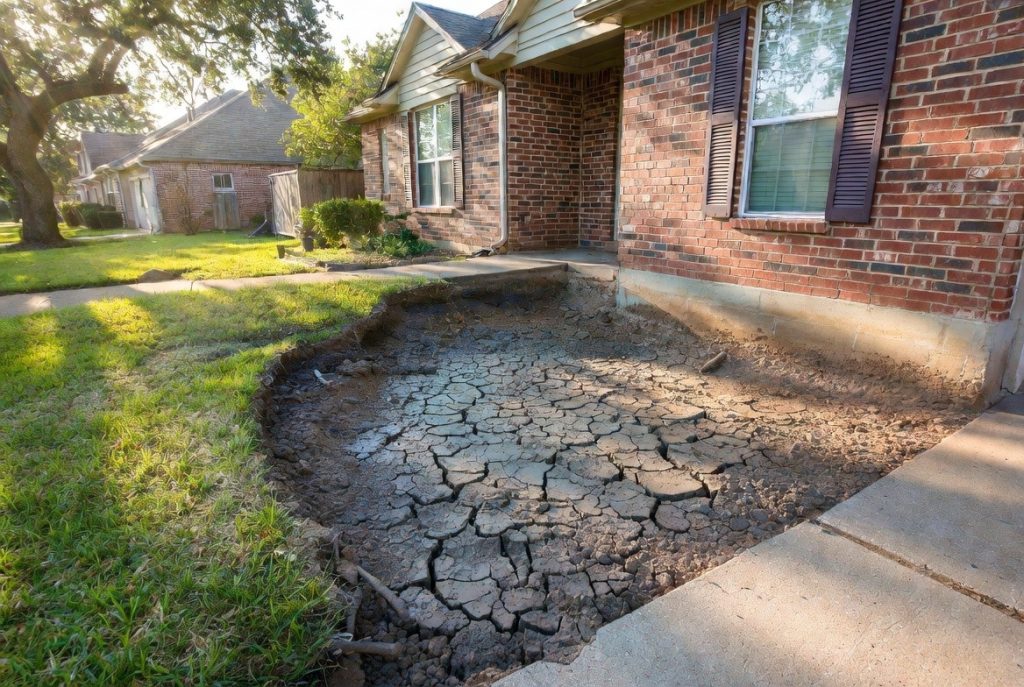
Foundation moisture does not just affect the concrete slab itself. It creates a chain reaction that can cause water damage restoration needs throughout the home. When the soil around and under a foundation becomes saturated, hydrostatic pressure can force moisture through microscopic pores in the concrete, through slab cracks, and along plumbing penetrations.
This moisture migration often manifests as damp carpet, warped hardwood floors, efflorescence (white mineral deposits) on garage floors, and musty odors in rooms at slab level. In severe cases, standing water can appear on the floor surface after heavy rains, even when there is no visible plumbing leak. Wood floor water damage repair is a common need in Plano homes where slab moisture has been wicking upward through the concrete over an extended period.
Slab leaks compound the problem. When foundation movement cracks a supply line or drain pipe beneath the slab, the leaking water further saturates the surrounding clay soil, which then expands and pushes on the foundation, which causes more movement, which can damage more pipes. This feedback loop is one of the reasons water damage in Plano homes can escalate rapidly once a slab leak develops.
Protecting Your Plano Home from Foundation Moisture
While you cannot change the soil beneath your home, there are practical steps Plano homeowners can take to manage foundation moisture and reduce the risk of water damage.
Maintain Consistent Soil Moisture
The goal is not to keep the soil wet or dry, but to keep it at a consistent moisture level year-round. Many Plano homeowners use soaker hoses or drip irrigation around the foundation perimeter during dry summer months to prevent the soil from pulling away from the slab. The key is consistency. Watering deeply twice a week during drought conditions is generally more effective than daily light watering.
Ensure Proper Drainage
The ground around your home should slope away from the foundation at a minimum grade of 6 inches over the first 10 feet. Gutters should be clean and functional, with downspouts directing water at least 4 to 6 feet away from the foundation. French drains or surface drains may be necessary in areas where water naturally collects, particularly in the backyards of homes in lower-lying parts of Plano near the Spring Creek drainage corridor.
Monitor Your Plumbing
Because slab leaks are both a cause and a consequence of foundation movement, monitoring your plumbing system is critical. Watch for unexplained increases in your water bill, listen for running water when all fixtures are off, and check for warm or damp spots on floors. Homes in Ridgewood Hills, Hunters Glen, and other neighborhoods with homes built before 2000 should consider periodic plumbing inspections, as older pipe materials are more susceptible to failure under foundation stress.
Manage Landscaping Carefully
Large trees planted too close to the foundation can cause significant moisture imbalances. Tree roots draw enormous quantities of water from the soil, creating localized dry zones that cause the clay to shrink near the foundation. As a general rule, trees should be planted at a distance from the home at least equal to their expected mature height. Existing large trees near the foundation may require root barriers to limit their impact on soil moisture.
Frequently Asked Questions
Why is the clay soil in Plano so problematic for foundations?
Plano’s clay soil, derived from the Austin Chalk and Eagle Ford Shale formations, contains montmorillonite minerals that absorb and release water dramatically. This causes the soil to swell when wet and shrink when dry, creating movement that stresses and cracks foundations over time.
How do I know if my foundation has a moisture problem?
Common signs include interior wall cracks (especially diagonal cracks near doors and windows), sticking doors, uneven floors, cracked tile, and gaps between walls and ceilings. Outside, look for gaps between the soil and foundation, and cracks in the brick veneer. Musty odors can also indicate moisture is migrating through the slab.
Should I water my foundation during the summer in Plano?
Many foundation experts recommend watering the soil around your foundation during extended dry periods to maintain consistent moisture levels and prevent the soil from pulling away from the slab. A soaker hose placed 12 to 18 inches from the foundation, running for 15 to 20 minutes two to three times per week during drought conditions, is a common approach.
Can foundation movement cause plumbing leaks?
Yes. When the foundation shifts, it can stress and crack the water supply lines and drain pipes that run beneath or through the slab. These slab leaks then saturate the surrounding soil, potentially causing further foundation movement. This is one of the reasons emergency plumbing issues in Plano often coincide with foundation problems.
What should I do if I find water damage related to foundation moisture?
Document the damage with photos and contact both a foundation specialist and a restoration professional. Addressing only the foundation without remediating the water damage (or vice versa) will leave the problem only partially solved. Moisture trapped in flooring, walls, and subfloor materials can promote mold remediation needs if not properly dried and treated.
Are newer Plano homes less affected by clay soil?
Newer homes typically have post-tensioned slab foundations that offer better resistance to soil movement, but they are not immune. The clay soil affects all structures built on it. Even homes built in the last 10 years in areas like Stonebriar and Legacy can develop foundation moisture issues, especially if drainage and landscaping are not properly maintained.
Foundation Moisture Causing Water Damage? We Can Help.
When foundation moisture leads to water intrusion, wet flooring, or hidden mold growth in your Plano home, the restoration professionals at Regent Restoration are ready to respond. We provide thorough moisture assessments, water extraction, structural drying, and complete restoration services to get your home back to its pre-damage condition. Call (214) 731-4624 for prompt assistance.

About Regent Restoration
Regent Restoration is a full-service property restoration company serving Plano, TX and the greater North Texas region. We specialize in water damage restoration, mold remediation, flood cleanup, fire damage restoration, sewage cleanup, emergency plumbing, roof repair, wood floor water damage repair, carpet cleaning, and content cleaning and pack-out services. We also serve homeowners in Allen, McKinney, Frisco, Richardson, The Colony, Garland, Carrollton, and Dallas.