
Denton, TX is home to beautiful neighborhoods, a thriving downtown, and the natural corridors of Pecan Creek and its tributaries. But for homeowners living near these waterways, particularly in South Denton and the areas between the university campuses, proximity to water brings an elevated risk of moisture intrusion and mold growth. The combination of creek-side humidity, seasonal flooding, and Denton’s warm climate creates conditions where mold can establish quickly and spread aggressively.
This guide provides practical, actionable mold prevention strategies specifically tailored for Denton homeowners, with particular attention to properties near Pecan Creek and other moisture-prone areas.
Why Pecan Creek Area Homes Are at Higher Mold Risk
Pecan Creek winds through the southern and central portions of Denton, passing through established residential neighborhoods before eventually draining into Lake Lewisville. Homes within a few hundred yards of the creek and its tributaries experience consistently higher ambient humidity levels than properties on higher ground. This persistent moisture affects everything from exterior siding and roofing materials to crawl spaces, attic environments, and interior living areas.
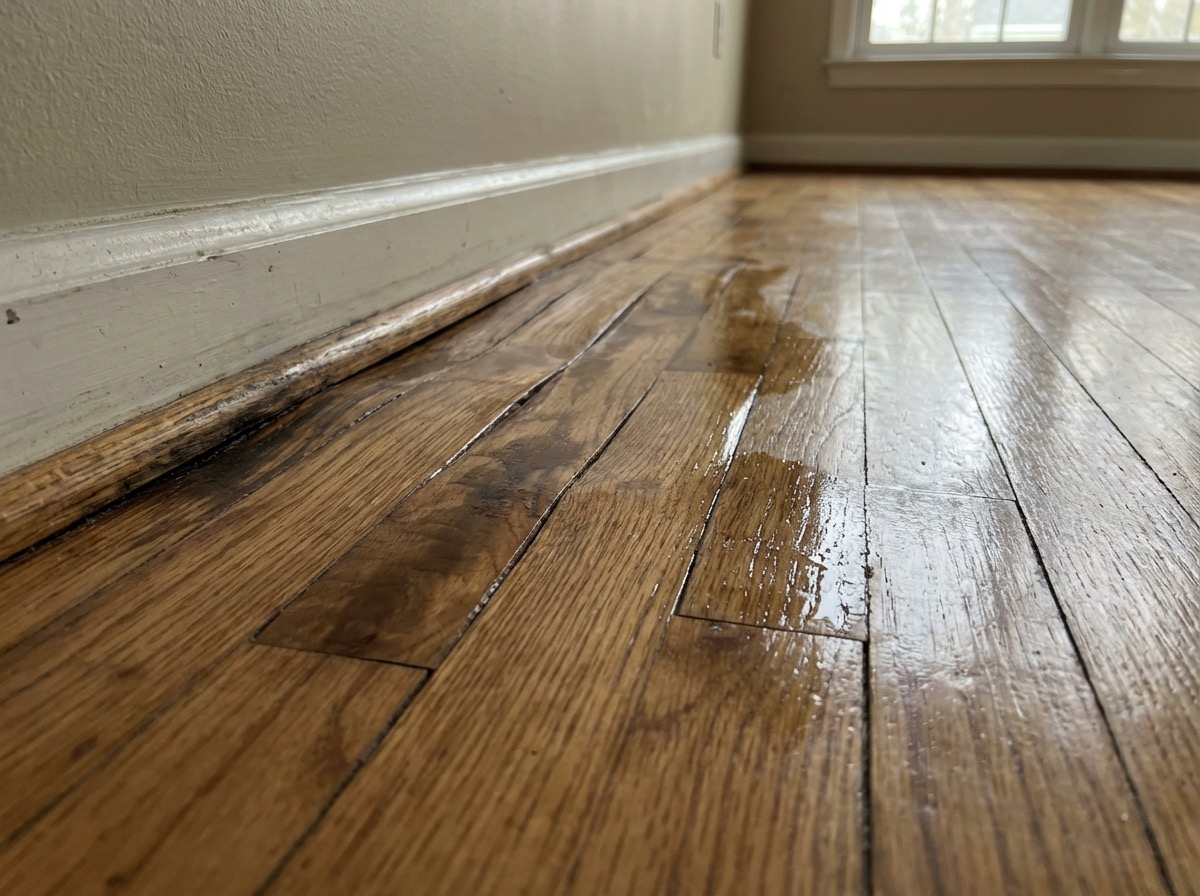
Several factors compound the mold risk for these properties. The water table is closer to the surface near the creek, meaning crawl spaces and below-grade areas absorb more groundwater moisture through capillary action. Seasonal flooding along Pecan Creek can push water into yards and against foundations, saturating soil and building materials. Even after floodwaters recede, the residual moisture takes days or weeks to fully dissipate, providing an extended window for mold colonization.
Many homes in these areas were built in the 1960s through 1980s, before modern moisture management techniques became standard. Inadequate vapor barriers, poor crawl space ventilation, and insufficient waterproofing are common in these older structures, making them especially vulnerable to moisture-related problems.
Understanding Mold Growth Conditions in Denton
Mold is a naturally occurring organism that plays an important ecological role in breaking down organic matter outdoors. However, when mold colonizes indoor environments, it can cause property damage, produce allergens and irritants, and in some cases release mycotoxins that pose health risks. Understanding what mold needs to grow is the foundation of effective prevention.
Mold requires four conditions to grow indoors:
- Moisture: The most critical factor. Indoor relative humidity above 60% or direct water contact provides sufficient moisture for mold.
- Organic material: Drywall paper, wood, carpet, insulation, dust, and even paint provide food sources for mold.
- Moderate temperatures: Mold thrives between 60 and 80 degrees Fahrenheit, which matches Denton’s indoor temperatures for most of the year.
- Still air: Poor ventilation allows moisture to accumulate and gives mold spores an undisturbed environment to colonize.
In Denton, the combination of warm temperatures from March through October and humidity levels that frequently exceed 70% outdoors means that any home with a moisture management weakness is at significant mold risk. Pecan Creek area homes face this challenge on an amplified scale due to their proximity to standing and flowing water.
Control Indoor Humidity Levels
Maintaining indoor humidity between 30% and 50% is the single most effective mold prevention measure for Denton homeowners. This can be challenging during the humid months, but several strategies can help:
- Use a whole-home dehumidifier integrated with your HVAC system for consistent humidity control throughout the house.
- Run portable dehumidifiers in high-moisture areas like basements, crawl spaces, and laundry rooms.
- Always use exhaust fans in bathrooms during and for at least 20 minutes after showers.
- Run the kitchen range hood when cooking, especially when boiling water or using the dishwasher.
- Avoid drying clothes indoors without adequate ventilation.
- Keep your air conditioning system running during humid months, as the cooling process naturally removes moisture from the air.
A hygrometer, available at most hardware stores for under $20, allows you to monitor humidity levels in different rooms. Place one in your most vulnerable area, whether that is a bathroom, crawl space access point, or a room closest to Pecan Creek, and check it regularly.
Improve Ventilation Throughout Your Home
Proper ventilation is essential for preventing mold because it replaces moist, stale air with drier air and prevents moisture from accumulating on surfaces. Many older Denton homes, particularly those near the university campuses and in neighborhoods south of the Denton Square, have ventilation deficiencies that create mold-friendly environments.
Attic Ventilation
Your attic should have balanced intake ventilation (typically soffit vents) and exhaust ventilation (ridge vents or attic fans). In Denton’s heat, an improperly ventilated attic traps hot, humid air that condenses on roof decking and framing, promoting mold growth and wood rot. Check that soffit vents are not blocked by insulation and that ridge or gable vents are functioning properly.
Crawl Space Ventilation
For pier-and-beam homes near Pecan Creek, crawl space moisture management is critical. Traditional vented crawl spaces allow humid outdoor air to enter, where it can condense on cooler surfaces below the home. In Denton’s climate, a sealed crawl space with a heavy-duty vapor barrier (at least 12 mil polyethylene) and a dedicated dehumidifier often performs better than a vented design. If your crawl space has standing water or visible moisture, addressing drainage and waterproofing should be a top priority.
Bathroom and Kitchen Ventilation
Verify that all bathroom exhaust fans vent to the exterior, not into the attic. Fans that exhaust into the attic are a common cause of attic mold in Denton homes. If your bathroom lacks an exhaust fan, installing one that is rated for the room size (measured in CFM) is one of the highest-value mold prevention investments you can make.
Manage Exterior Drainage and Grading
Water management around the exterior of your home is your first line of defense against moisture intrusion. For homes near Pecan Creek, this is especially important because the natural water table is closer to the surface and the ground saturates more quickly during rain events.
- Ensure the ground slopes away from your foundation at a rate of at least one inch per foot for the first six feet around the perimeter.
- Keep gutters clean and direct downspout extensions at least four to six feet away from the foundation.
- Install French drains or channel drains if water pools near your foundation during rain events.
- Avoid stacking mulch or landscaping materials directly against your foundation, as these materials retain moisture.
- Inspect your foundation for cracks and seal them with appropriate waterproofing products.
Properties in the Pecan Creek floodplain should also consider elevating critical systems like HVAC units, electrical panels, and water heaters above expected flood levels. This not only protects these systems from flood damage but also reduces the moisture sources that contribute to mold growth after flooding events.
Address Plumbing Leaks and Water Intrusion Promptly
Even a small, slow leak can produce enough moisture to support a thriving mold colony. In Denton’s warm climate, a dripping supply line under a bathroom sink, a slow roof leak, or condensation on poorly insulated pipes can create a mold problem within days.
Conduct regular inspections of common leak points:
- Under all sinks and around toilet connections
- Around the water heater and washing machine connections
- At roof penetrations (vents, chimneys, skylights)
- Around window and door frames, especially after storms
- Along the foundation, looking for dampness or efflorescence (white mineral deposits)
If you discover an active leak, address it immediately. For plumbing issues, an emergency plumbing service can respond quickly to stop the water source and prevent further damage. Any materials that got wet should be dried within 24 to 48 hours to prevent mold growth.
Maintain Your HVAC System
Your heating, ventilation, and air conditioning system plays a critical role in mold prevention. A well-maintained HVAC system controls humidity, filters airborne mold spores, and maintains consistent temperatures that discourage condensation. A neglected system, on the other hand, can actually spread mold throughout your home.
- Change air filters every one to three months, or more frequently during peak pollen and mold seasons in Denton (spring and fall).
- Have your system inspected and serviced at least once a year, ideally before the cooling season begins.
- Check the condensate drain line regularly for clogs. A blocked drain can cause water to back up into the system or overflow into your home.
- Inspect ductwork for leaks or condensation, particularly in unconditioned spaces like attics and crawl spaces.
- Consider upgrading to a system with a variable-speed air handler, which runs longer at lower speeds and provides better humidity control.
If you notice musty odors coming from your vents, visible mold around vent registers, or increased allergy symptoms when the system is running, have the ductwork inspected by a professional. Mold inside ductwork distributes spores to every room the system serves.
Protect Vulnerable Materials and Belongings
Certain materials are more susceptible to mold than others, and how you store and maintain them affects your overall mold risk. In Denton homes near Pecan Creek, taking extra precautions with mold-vulnerable materials can save significant hassle and expense.
- Store important documents, photographs, and irreplaceable items in sealed, waterproof containers elevated off the floor.
- Avoid storing cardboard boxes directly on concrete floors in garages or crawl spaces, as concrete wicks moisture upward.
- Choose mold-resistant materials for renovations, including paperless drywall, mold-resistant paint, and treated lumber.
- In bathrooms and kitchens, use tile or other non-porous materials on walls and floors rather than organic options that absorb moisture.
If carpet is necessary in a moisture-prone area, choose synthetic fibers with antimicrobial backing and have it professionally cleaned on a regular basis. Routine carpet cleaning removes the dust, skin cells, and organic debris that serve as food sources for mold, even when humidity is well-managed.
What to Do If You Find Mold in Your Denton Home

Despite best prevention efforts, mold can still appear, especially in older homes near waterways. If you discover mold growth in your home, your response depends on the size and location of the colony.
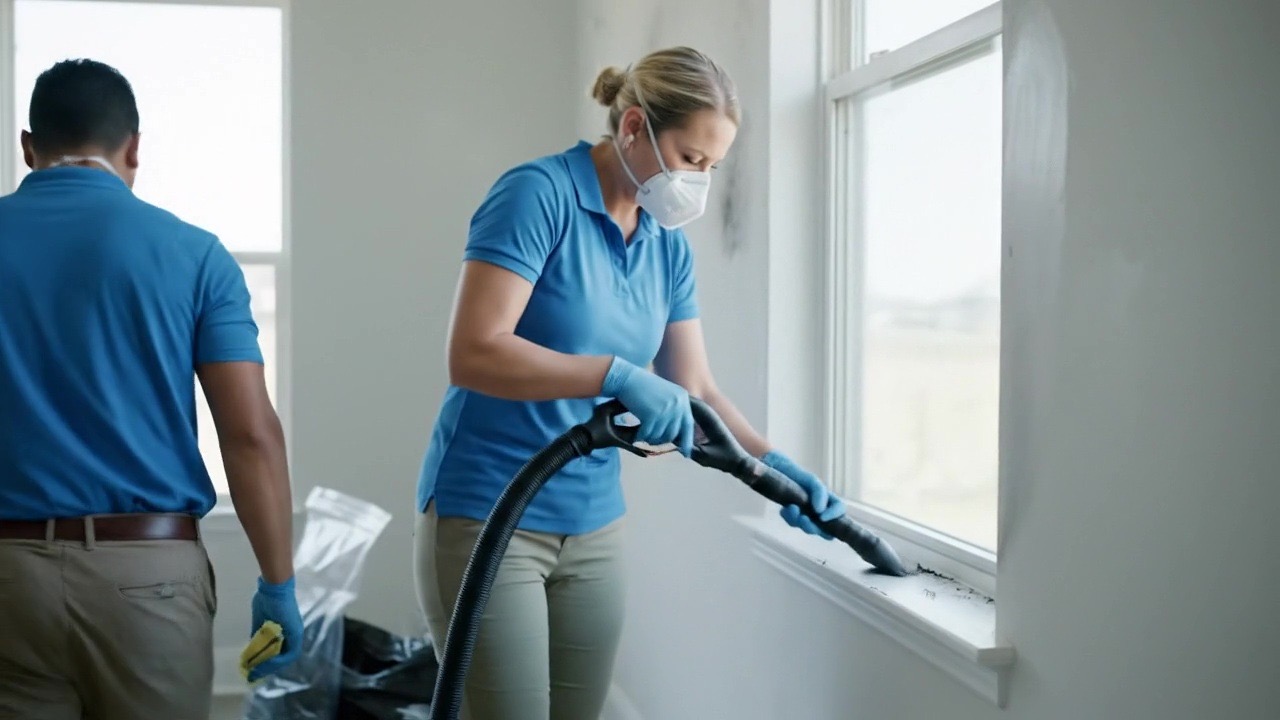
For very small areas of surface mold (less than about 10 square feet) on non-porous surfaces, you may be able to clean it yourself using a detergent solution and thorough drying. However, for larger areas, mold on porous materials like drywall or wood, mold in HVAC systems, or any situation where health symptoms are present, professional mold remediation is the appropriate response. Professional remediators use containment barriers, HEPA filtration, and antimicrobial treatments to remove mold colonies without spreading spores to unaffected areas.
Equally important is identifying and correcting the moisture source that caused the mold. Without addressing the underlying moisture problem, mold will return even after thorough remediation. Water damage restoration professionals can help identify moisture sources, repair water intrusion points, and verify that the affected area is properly dried.
Frequently Asked Questions
How quickly can mold grow in a Denton home after water exposure?
Mold can begin growing on damp materials within 24 to 48 hours under favorable conditions. Given Denton’s warm temperatures and the humidity levels common near Pecan Creek, mold colonization can be particularly rapid. This is why addressing any water intrusion, whether from a leak, flood, or condensation, as quickly as possible is essential.
What types of mold are most common in Denton homes?
The most common indoor molds found in Denton homes include Aspergillus, Penicillium, and Cladosporium, which typically appear as green, blue, or gray colonies on walls, ceilings, and organic materials. Stachybotrys chartarum, often called “black mold,” can also grow in Denton homes with persistent moisture problems, particularly in areas with long-term water damage. All indoor mold should be treated seriously regardless of species.
Is mold near Pecan Creek worse than in other parts of Denton?
The mold itself is the same species found throughout the region. However, homes near Pecan Creek face a higher risk of mold growth because of elevated ambient humidity, a higher water table, greater exposure to seasonal flooding, and the age of many properties in the area. These factors combine to create more frequent and more persistent moisture conditions that favor mold establishment.
Can mold grow in my Denton home during winter?
Yes. While mold growth slows in cooler temperatures, indoor heating systems keep homes warm enough for mold to grow year-round. Winter mold problems in Denton often result from condensation on cold surfaces (like single-pane windows and exterior walls), poor ventilation in bathrooms, and moisture buildup from reduced air circulation. Maintaining proper ventilation and humidity control throughout winter is important.
Should I get a mold inspection before buying a home near Pecan Creek?
A mold inspection is a wise investment for any home purchase near a waterway in Denton. Given the elevated moisture risk near Pecan Creek, a qualified mold inspector can identify current mold issues, assess the condition of moisture management systems (crawl space vapor barriers, drainage, ventilation), and flag potential problems before they become your responsibility. This is especially valuable for older homes built before modern moisture control standards.
Do homeowners in Sanger, Aubrey, or Krum face similar mold risks?
Yes. Homeowners throughout northern Denton County, including communities like Sanger, Aubrey, and Krum, face similar mold risks due to the region’s climate and soil conditions. Properties near Lake Ray Roberts, the Elm Fork Trinity River, and local creek systems experience the same elevated humidity and flooding potential as Pecan Creek area homes. The prevention strategies outlined in this guide apply equally to those communities.
Keep Your Denton Home Mold-Resistant Today!
Mold prevention is an ongoing effort, especially for Denton homeowners living near Pecan Creek and other waterways. By controlling humidity, maintaining proper ventilation, managing exterior drainage, and responding quickly to any water intrusion, you can significantly reduce your home’s mold risk. If you need help with an existing mold problem or want to address moisture issues before they lead to mold, Regent Restoration’s IICRC-certified team is here to help. Call (469) 658-0842 for a consultation.
About Regent Restoration
Regent Restoration is a full-service property restoration company serving Denton and the greater Dallas-Fort Worth Metroplex. Our IICRC-certified technicians specialize in mold remediation, water damage restoration, flood cleanup, fire damage restoration, and emergency plumbing services. We help homeowners identify moisture sources, remediate existing mold, and implement prevention strategies to protect their properties long-term.