

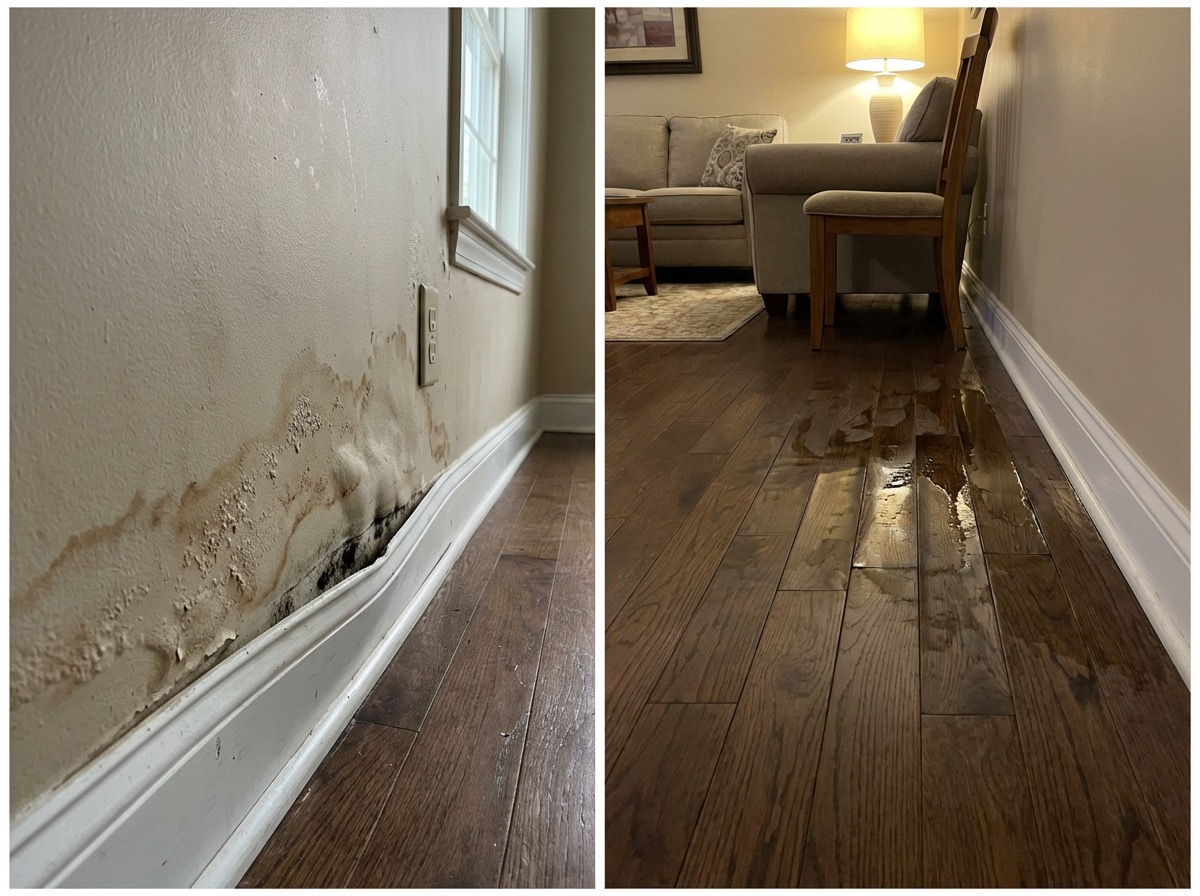
Flooding is one of the most common and destructive natural events affecting Denton County. The region’s geography, with its creek systems, proximity to Lake Lewisville and Lake Ray Roberts, and expansive clay soils, makes it particularly vulnerable during heavy rain events. Whether you live in Denton, Corinth, Flower Mound, or Lewisville, knowing exactly what to do after floodwaters recede can make the difference between a manageable recovery and a prolonged, costly ordeal.
This step-by-step guide covers everything Denton County homeowners need to know about responding to flood damage, from initial safety checks to long-term restoration and prevention.
Why Denton County Is Prone to Flooding
Denton County sits in the heart of North Texas, an area known for volatile spring and early summer weather. Severe thunderstorms regularly produce two to four inches of rain in under an hour, and when those storms stall or train over the same areas, rainfall totals can exceed six inches in a single event. The result is flash flooding that overwhelms drainage infrastructure and pushes waterways beyond their banks.
Several waterways contribute to flood risk across the county. Pecan Creek runs through the heart of Denton, with residential neighborhoods on both sides of its floodplain. Hickory Creek passes through Corinth and southern Denton County before feeding into Lake Lewisville. The Elm Fork Trinity River drains a large watershed north and east of Denton, and when upstream areas receive heavy rain, downstream communities can experience flooding even without local storms.
The proximity of Lake Lewisville and Lake Ray Roberts adds another variable. During prolonged wet periods, the Army Corps of Engineers may release water from these reservoirs, raising downstream water levels and increasing flood risk for communities along the Elm Fork corridor. Homeowners near these waterways, particularly in Sanger, Aubrey, and Krum, should monitor reservoir levels during extended rain events.
Step 1: Ensure Safety Before Entering Your Home
After floodwaters recede, your first priority is personal safety. A flooded home presents numerous hazards that are not always immediately visible. Before entering the property, take the following precautions:
- Do not enter if standing water is still present and the electrical system has not been shut off. Water and electricity are a lethal combination.
- Check for structural damage from the outside. Look for cracks in the foundation, sagging rooflines, warped walls, or visible shifts in the structure.
- If you smell gas or suspect a gas leak, leave the area immediately and contact Atmos Energy or your local gas utility.
- Wear protective gear, including rubber boots, gloves, and an N95 mask. Floodwater typically contains sewage, chemicals, and biological contaminants.
- Photograph the exterior of your home before entering, as this documentation will support your insurance claim.
Denton County Emergency Services provides guidance and resources during and after flood events. Checking the Denton County website and local news for official advisories before returning home is always advisable.
Step 2: Shut Off Utilities
Once you confirm the structure is safe to approach, shut off your home’s utilities before beginning any interior assessment:
- Electricity: Locate your main breaker panel and switch it to the off position. If the panel is in a flooded area, do not touch it. Call an electrician or your power company instead.
- Gas: Turn the gas valve to the off position at the meter. If you are unsure how to do this, contact Atmos Energy for assistance.
- Water: Shut off the main water supply to prevent any additional flow into the home if supply lines were damaged during the flood.
Do not restore power or gas until a qualified professional has inspected the systems and confirmed they are safe. Flood-damaged wiring and gas connections pose fire and explosion risks that require expert evaluation.
Step 3: Document Everything for Insurance
Thorough documentation is essential for a successful insurance claim. Before moving, cleaning, or discarding anything, take the following steps:
- Photograph and video every room, capturing water lines on walls, damaged furniture, appliances, flooring, and personal belongings.
- Note the approximate depth of water in each area and how long it was standing.
- Create a written inventory of damaged items, including descriptions, approximate values, and purchase dates when possible.
- Save receipts for any emergency expenses, including temporary housing, cleaning supplies, and professional services.
- Contact your insurance provider as soon as possible to initiate the claims process.
Keep in mind that standard homeowners insurance policies in Texas typically do not cover flood damage. If you have a separate flood insurance policy through the National Flood Insurance Program (NFIP) or a private insurer, contact that provider directly. The documentation you gather in this step will be critical for both types of claims.
Step 4: Remove Standing Water
Once the home is documented and utilities are off, removing standing water should begin immediately. Every hour that water sits in your home increases the damage to flooring, walls, cabinetry, and structural components. It also accelerates the timeline for mold growth, which can begin within 24 to 48 hours in Denton’s warm, humid conditions.
Methods for water removal include:
- Submersible pumps for significant standing water (several inches or more)
- Wet/dry vacuums for remaining water after pumping
- Mopping and toweling for residual moisture on hard surfaces
For significant flooding, professional flood cleanup services use commercial-grade extraction equipment that removes water far more efficiently than consumer tools. This speed matters, as faster extraction means less material damage and lower overall restoration costs.
Step 5: Dry Out the Structure Thoroughly
Removing visible water is only the beginning. Moisture trapped in drywall, insulation, subfloors, and wall cavities must be eliminated to prevent structural deterioration and mold growth. Thorough drying typically involves:
- Opening windows and doors to promote air circulation (weather permitting)
- Running dehumidifiers continuously to pull moisture from the air and building materials
- Positioning high-velocity air movers to direct airflow across wet surfaces and into wall cavities
- Removing baseboards and drilling small holes in drywall to allow trapped moisture to escape
Professional water damage restoration teams use moisture meters and thermal imaging cameras to verify that all materials have reached acceptable dryness levels before reconstruction begins. Skipping this step is one of the most common mistakes homeowners make, and it almost always leads to mold problems weeks or months later.
Step 6: Address Contaminated Materials
Floodwater is almost always contaminated. In Denton County, flood events frequently overwhelm the sewer system, meaning floodwater entering your home may contain raw sewage, agricultural runoff, petroleum products, and other hazardous substances. This is classified as Category 3 or “black water” contamination, which requires careful handling.
Materials that typically require removal after black water flooding include:
- Carpet and carpet padding
- Drywall that was submerged (generally, remove at least 12 inches above the water line)
- Insulation in affected wall cavities
- Particleboard cabinetry and shelving that absorbed water
- Upholstered furniture and mattresses
For salvageable items like hardwood furniture, family heirlooms, and electronics, professional content cleaning and pack-out services can clean, disinfect, and restore belongings off-site while your home undergoes structural restoration.
Step 7: Prevent Mold Growth

Mold is the most common secondary consequence of flood damage, and Denton’s climate makes it a near-certainty if drying is delayed. Mold spores are naturally present in the air and on surfaces, needing only moisture and organic material (like drywall paper, wood, or carpet) to begin colonizing.
To minimize mold growth after a flood:
- Begin drying within 24 hours if at all possible
- Apply antimicrobial treatments to exposed framing and subfloors
- Remove all wet, porous materials that cannot be fully dried
- Run dehumidifiers and air movers until moisture readings confirm the structure is dry
- Monitor for signs of mold in the weeks following the flood, including musty odors, visible growth, and allergic symptoms
If mold has already appeared, professional mold remediation is strongly recommended. Disturbing an established mold colony without proper containment can spread spores throughout the home and worsen the problem significantly.
Step 8: Begin Restoration and Repairs
Once the home is dry, contaminated materials are removed, and mold has been addressed, the reconstruction phase begins. This includes replacing drywall, reinstalling insulation, repainting, installing new flooring, and restoring cabinetry and trim. For homes with hardwood floors, specialized wood floor water damage repair may be possible depending on the extent and duration of water exposure.
Restoration should be performed by professionals experienced in post-flood reconstruction who understand the unique challenges of Denton County’s building conditions. Using the right materials, moisture barriers, and construction techniques helps ensure the rebuilt areas are more resistant to future water events.
Frequently Asked Questions
How long does it take for a flooded home in Denton County to dry out?
With professional drying equipment, most residential structures can reach acceptable moisture levels within three to five days. However, the timeline depends on the volume of water, the materials affected, and environmental conditions. Denton’s high humidity during spring and summer can extend drying times if dehumidification equipment is not used. Without professional intervention, drying can take weeks and often leads to secondary mold damage.
Should I clean up flood damage myself or hire a professional?
For minor flooding with clean water (such as a supply line break), homeowners can handle some of the cleanup. However, any flooding involving contaminated water, which includes virtually all natural flood events, should be handled by professionals. The health risks from sewage-contaminated floodwater, combined with the technical requirements for proper drying and mold prevention, make professional restoration the safer and more effective choice.
Does flood insurance cover all flood-related damage in Denton County?
Flood insurance through the NFIP covers direct physical damage from flooding, including structural damage and personal property loss. However, coverage limits, deductibles, and exclusions vary by policy. Items stored in basements and below-grade areas may have limited coverage. Additional living expenses during displacement may not be covered under standard NFIP policies but may be available through private flood insurers.
What areas of Denton County are most at risk for flooding?
Properties near Pecan Creek, Hickory Creek, and the Elm Fork Trinity River corridor face the highest flood risk. South Denton neighborhoods adjacent to Pecan Creek, areas near Lake Lewisville in Corinth and Lewisville, and low-lying properties near Lake Ray Roberts in Sanger and Aubrey are particularly vulnerable. FEMA flood maps provide the most detailed assessment of flood risk for specific addresses.
Can flooding damage my Denton home’s foundation?
Yes. Flooding can erode soil around and beneath your foundation, particularly in areas with Denton County’s expansive clay soil. As water saturates the clay, it swells and shifts, placing pressure on foundation walls and slabs. Once floodwaters recede and the soil dries, uneven contraction can cause cracking and settling. Repeated flood exposure compounds these effects over time.
How can I prepare my Denton home for future flooding?
Proactive steps include maintaining clean gutters and downspouts that direct water away from your foundation, installing a sump pump if your home has a basement or crawl space, grading your yard to slope away from the structure, and keeping critical utilities elevated above known flood levels. Review your flood insurance coverage annually and consider adding coverage if you are in or near a flood zone.
Denton County Flood Recovery Starts Here
Recovering from a flood in Denton County is a multi-step process that requires urgency, proper technique, and professional expertise. If your home has been affected by flooding, Regent Restoration provides 24/7 emergency response for Denton County homeowners. From water extraction and structural drying to mold prevention and full restoration, our IICRC-certified team is equipped to handle every phase of the recovery. Call (469) 658-0842 to get started.

About Regent Restoration
Regent Restoration is a full-service property restoration company serving Denton County and the greater Dallas-Fort Worth Metroplex. Our IICRC-certified technicians specialize in water damage restoration, flood cleanup, mold remediation, fire damage restoration, and emergency plumbing services. We work directly with insurance providers to streamline the claims process and are available around the clock for emergency response.