
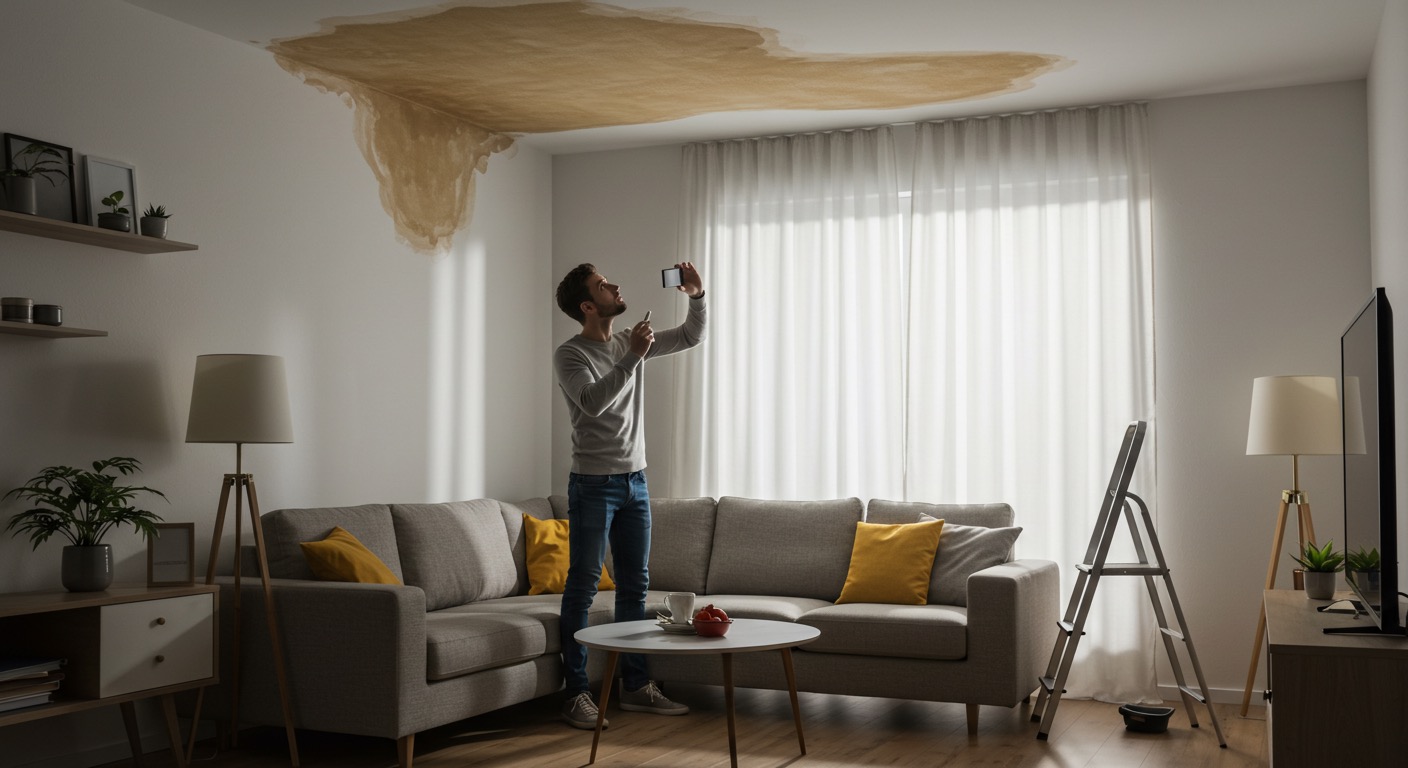
Discovering a water stain on your ceiling can be unsettling for any homeowner. The brown or yellow discoloration often signals a plumbing leak above, potentially causing thousands of dollars in damage if ignored. Nearly 24% of all insurance claims in 2023 involved water damage or freezing.
The challenge with ceiling water stains lies not only in what you see but also in hidden destruction within walls, insulation, and structural components. Many paint over stains without fixing the source, creating recurring problems and higher repair costs over time.
Properly identifying and addressing these leaks can save time, money, and stress. Homeowners who act quickly protect both the structure of their property and their family’s health. Professional assessment and intervention provide the most reliable path toward long-term safety.
Regent Restoration emphasizes that ignoring early signs of water intrusion can lead to severe complications. By learning how to assess, document, and act, you can safeguard your home and reduce risks before minor damage escalates into expensive structural issues.
Spot the Most Common Plumbing Leak Sources Above Ceilings
The first step in addressing ceiling water stains is pinpointing the exact source of the leak. Plumbing systems above ceilings include supply lines, drain pipes, and fixture connections. Supply line leaks often occur at joints or corroded sections where pipes change direction.
Bathroom fixtures are the most common culprits. Toilet wax rings may deteriorate after decades, allowing water to seep through. Shower and bathtub drain connections often leak when caulking fails or the assembly loosens. Hot water lines also face added stress, making them prone to pinhole leaks.
Frequent plumbing sources for ceiling stains include:
- Dishwasher supply lines and drain connections, especially in older units
- Garbage disposal connections that loosen or crack
- Kitchen sink supply lines hidden from view
Kitchen plumbing issues often go unnoticed compared to bathroom leaks. At Regent Restoration, we find many homeowners overlook these hidden kitchen sources when investigating stains, which delays repair and worsens damage.
Act Quickly with Immediate Steps to Limit Damage
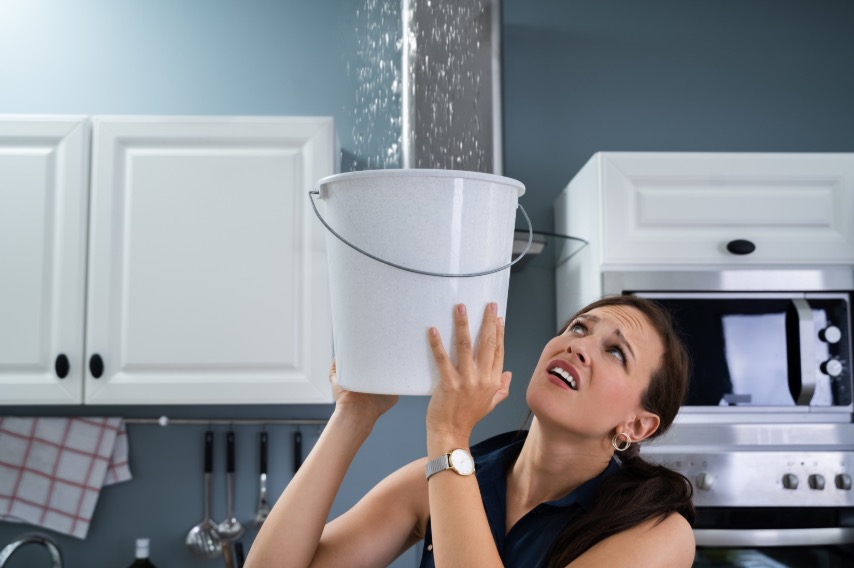
Time is critical when dealing with ceiling water stains. Responding quickly can reduce damage and repair costs. Document the stain immediately with photos from multiple angles, noting the date and time for insurance, and prepare to take further steps if the problem worsens.
Safety should be your top priority, especially if dripping occurs or the ceiling is sagging. Turn off electricity to outlets or fixtures in the affected area. Place containers to catch water and shield the flooring and furniture.
Shut off the main water supply if the source cannot be located. This prevents more water from entering while you investigate. If the leak is tied to a specific fixture, shutting off its localized supply may provide temporary relief until repairs are made.
Professional water damage restoration services can also provide fast emergency assistance. These experts use advanced equipment to limit damage and begin remediation quickly, giving you assurance during stressful situations.
Use Reliable Assessment Methods to Gauge Leak Severity
Professional assessment of ceiling water stains requires evaluating visible and hidden damage. Fresh leaks usually create dark, wet stains, while older leaks appear yellow or brown with sharper edges. The size and pattern often reveal the leak’s severity and how long it has persisted.
Use a moisture meter to measure the drywall and the surrounding humidity. Readings above 16% suggest active moisture intrusion, while 12-16% indicate drying but possible hidden damage. Always check beyond the visible stain, as water can travel along joists and beams before showing.
Inspect accessible areas above the stain, such as attics or crawl spaces. Look for water damage on insulation, wood framing, and electrical components. Compressed insulation means prolonged moisture and requires replacement. Stains on beams or joists may signal structural issues needing professional evaluation.
The following indicators suggest you need immediate professional intervention:
- Ceiling sagging or visible bulging in the affected area
- Multiple stains appearing simultaneously in different locations
- Musty odors indicating potential mold growth
- Electrical fixtures or wiring in the affected zone
- Stains larger than two feet in diameter
- Active dripping or continuous moisture appearance
Professional mold remediation services may also be necessary if microbial growth is suspected. These services ensure mold is removed safely and thoroughly, protecting both your home and your health.
Apply Short-Term Fixes to Prevent Escalating Damage
Temporary measures can help reduce damage while you wait for professional repairs. Improve ventilation with fans and dehumidifiers to accelerate drying. Keep indoor humidity below 50% to slow mold growth and protect surfaces from further moisture-related issues.
If the ceiling drips or bulges, puncture the lowest point carefully to control drainage and prevent sudden collapse. Use a sharp tool to make a small hole and place a container beneath it. This approach prevents water weight from stressing ceiling materials further.
Remove any insulation damaged by water in accessible areas above the leak. Wet insulation traps moisture against structural parts, losing its thermal value and creating an environment for mold and bacteria. Dispose of the affected insulation since it cannot be dried safely.
These steps are only temporary safeguards. Professional restoration services are necessary to fully address leaks, ensure complete drying, and prevent recurring problems that DIY fixes alone cannot resolve.
Rely on Professional Repairs for Complete Restoration
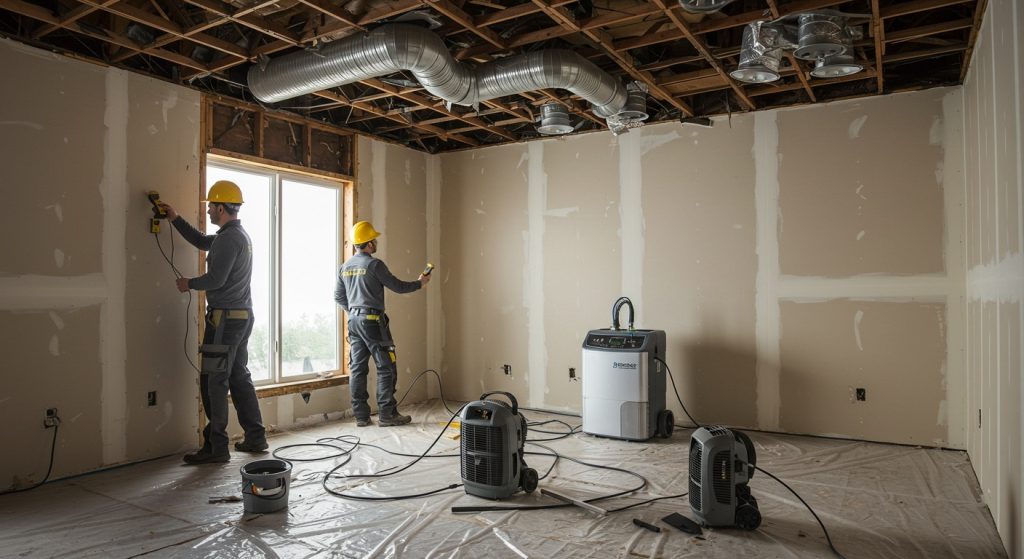
Professional water damage restoration follows strict protocols to ensure full remediation and prevent future issues. Initial assessment includes moisture mapping with infrared cameras and meters to detect all affected areas, even those hidden behind walls or ceilings that are not visible to the naked eye.
Structural drying is the most critical phase. Commercial-grade dehumidifiers and air movers create controlled drying conditions, typically lasting 3-5 days. Restoration specialists monitor progress daily with moisture readings and thermal imaging to confirm materials are thoroughly dried before any reconstruction begins.
One client called Regent Restoration after discovering large ceiling stains in their two-story home. What seemed like a minor bathroom leak had affected three rooms and required the removal of over 200 square feet of drywall, uncovering long-term water exposure.
Our team found that a failed shower pan had been leaking for months, damaging floor joists and requiring specialized repairs. The full restoration took 10 days, but it prevented potential foundation issues that could have cost tens of thousands more if left untreated.
Adopt Preventive Maintenance to Reduce Future Risks
Implementing proactive maintenance practices can significantly reduce your risk of experiencing ceiling water stains from plumbing leaks. Schedule annual plumbing inspections focusing on fixtures and connections in upper-level rooms, paying particular attention to areas above finished ceilings in lower floors.
Regular caulking around tubs, showers, and sinks helps prevent water intrusion that can cause hidden leaks. Replace worn caulk yearly and check grout lines for cracks. Test toilet stability by gently rocking the fixture, since movement may indicate wax ring failure needing repair.
Install water leak detection systems in high-risk areas such as bathrooms, laundry rooms, and near water heaters. Smart detectors alert you to moisture before visible damage occurs, saving repair costs. At $100-300 per room, they offer valuable early warnings and protection.
The following maintenance schedule can help prevent ceiling water damage:
- Monthly visual inspection of all ceiling areas for discoloration or staining
- Quarterly testing of toilet stability and inspection of visible plumbing connections
- Semi-annual caulking inspection and maintenance around all fixtures
- Annual professional plumbing system evaluation, including pressure testing
- Immediate investigation of any unusual sounds, odors, or changes in water pressure
Professional home restoration services can also provide long-term protection. By addressing both visible and hidden risks, these services help homeowners maintain property value and safety year-round.
Frequently Asked Questions
How quickly should I address a ceiling water stain from a plumbing leak?
Ceiling water stains demand immediate action, ideally within 24-48 hours of discovery. Delays allow water intrusion to continue, raising costs and damage severity. Even if dripping stops, hidden moisture can remain in walls and insulation.
This trapped water weakens building materials and creates ideal conditions for mold growth within 48-72 hours. Early response limits long-term problems and protects your home’s structural integrity and air quality.
Can I safely repair ceiling water damage myself, or do I need professional help?
Minor stains under 10 square feet without structural concerns can sometimes be handled by experienced DIY homeowners, provided the source leak is fixed correctly. This approach works only when the damage is small and the risk is low.
Larger affected areas, visible structural damage, electrical involvement, or suspected mold require professional restoration. Insurance claims often require documentation from licensed specialists, making expert help critical for both safety and coverage.
How much does professional ceiling water damage repair typically cost?
Costs vary depending on the size of the affected area, extent of structural damage, and restoration needs. Small repairs covering 20-30 square feet generally range from $500-1,500, while extensive damage requiring reconstruction can reach $3,000-10,000.
Insurance coverage often applies when damage results from sudden plumbing failures. Homeowners may reduce out-of-pocket expenses significantly by documenting the problem promptly and working closely with their insurance provider during the claims process.
What are the health risks associated with ignoring ceiling water stains?
Neglecting ceiling water stains can create serious health hazards. Mold and bacteria thrive in damp materials, and prolonged exposure to spores may trigger allergies, asthma, or respiratory illness, especially in vulnerable individuals.
Beyond health concerns, ongoing water damage weakens ceilings and framing. Left untreated, this deterioration may lead to structural hazards, including partial collapse in extreme cases, turning a repairable problem into a major safety emergency.
How can I determine if my homeowner’s insurance will cover ceiling water damage from plumbing leaks?
Most policies cover sudden and accidental plumbing failures but exclude gradual leaks or maintenance neglect. Reporting the damage immediately helps clarify your coverage and speeds up the claims process.
Document damage with photos and keep receipts for emergency mitigation. Many insurers reimburse reasonable measures taken to prevent additional losses while waiting for a full professional assessment.
Protect Your Home from Ceiling Water Damage Now!
Handling ceiling water stains from plumbing leaks requires fast action, careful assessment, and often professional support to avoid property damage and health hazards. Acting quickly can minimize costs and protect your home from long-term structural issues.
Understanding common leak sources and applying immediate safety measures helps limit the impact. Following proper assessment methods ensures you address not only visible problems but also hidden risks, safeguarding both your investment and your family’s well-being.
Temporary fixes may help reduce short-term risks, but permanent repairs are essential. Regular preventive maintenance provides the strongest defense against water damage. Address plumbing leaks thoroughly to preserve your home’s safety, value, and structural strength.
About Regent Restoration
Regent Restoration brings over 15 years of experience helping homeowners recover from water damage and plumbing leaks. Our services include full damage assessment, structural drying, mold remediation, and reconstruction to return properties to their pre-loss condition quickly and effectively.
Our certified restoration professionals use advanced moisture detection technology and proven methods to address ceiling water damage, plumbing leaks, and related structural concerns. Each step of the process is designed to ensure thorough remediation and long-term protection for your home.
We emphasize rapid emergency response, clear communication, and direct coordination with insurance providers. By restoring more than 2,000 properties, we’ve helped families return to safe, healthy homes while preserving property value and preventing long-term structural or health risks.
Contact Regent Restoration at (214) 731-4624 to discuss how our water damage restoration expertise can help you address ceiling water stains and prevent future plumbing-related property damage. Our specialists are ready to answer questions and provide guidance based on your situation.