
Water damage throws a lot at you at once. There is wet flooring, a smell you did not have yesterday, and a phone full of calls to make. Somewhere in the middle of it, you learn that an insurance adjuster will come to look at the damage. That visit can feel like a test you did not study for.
It does not have to. Dealing with an insurance adjuster after water damage goes better when you have clear, organized records ready before they walk in. You do not need to know insurance law. You need good photos, a plain timeline, a list of what was damaged, and your receipts in one place.
This guide walks through what to document, how to keep it, and what to ask. It is practical guidance from a restoration team in Lewisville, not legal or coverage advice. Your insurer decides what your policy covers, and coverage can vary by the cause of the loss, your policy terms and any exclusions.
Key Takeaways
- Safety and stopping the damage come first. Do not wait for the adjuster to start protecting your home.
- Take wide, medium and close-up photos of every affected area, and capture the source of the water separately from the damage it caused.
- Write a factual timeline. Record what you saw and did, and leave out guesses about cause or cost.
- Build an inventory of damaged items and keep every receipt for temporary repairs and emergency costs.
- Keep one adjuster-ready folder with photos, moisture records, receipts and a log of every call and email.
Start With Safety and Stopping the Damage
Before you take a single photo, make sure the space is safe. Water and electricity do not mix. If water is near outlets, cords or your electrical panel, stay out of that area. Have a licensed electrician or your utility handle unsafe electrical conditions. Do not enter standing water or handle wet electrical equipment.
Next, stop the water if you can. Close the main water shutoff or the valve to the leaking fixture. Wet ceilings can sag and fall, so keep people and pets away from bulging drywall. Watch your footing on wet tile and hardwood.
Here is the part many homeowners get wrong: you do not have to wait for the adjuster before you act. Check your policy for duties after a loss, and take safe steps to prevent further damage. Standing water left in place keeps soaking into drywall, baseboards, subfloor and cabinets. Waiting can turn a manageable loss into a bigger one.
The trick is to document as you go. Take photos from a safe, dry location without delaying urgent help. Do not handle water or materials that may be contaminated. A restoration team can begin water damage restoration work such as water extraction and drying while keeping records of what they find and do. Those records become part of your file.
The Texas Department of Insurance offers plain guidance for homeowners after damage, including steps to take before an adjuster visit. You can read it on the TDI home damage FAQ page.
Photograph the Damage in Wide, Medium and Detail Shots
Photos are the backbone of your records. Good photos help anyone looking at your file understand what happened, even if they never saw your home wet. The goal is not artistic shots. The goal is a clear, complete visual story.
Wide Shots Show the Whole Room
Stand in the doorway or a corner and capture the full room. This shows where the damage sits in relation to walls, windows and fixtures. Take a wide shot of every affected room, plus hallways and rooms next door where water may have traveled.
Medium Shots Show the Affected Area
Step closer and photograph each damaged section. Think of one wall, one stretch of flooring, or one cabinet run. Medium shots connect the big picture to the small details, so a reviewer can tell which close-up belongs to which part of the room.
Detail Shots Show the Damage Up Close
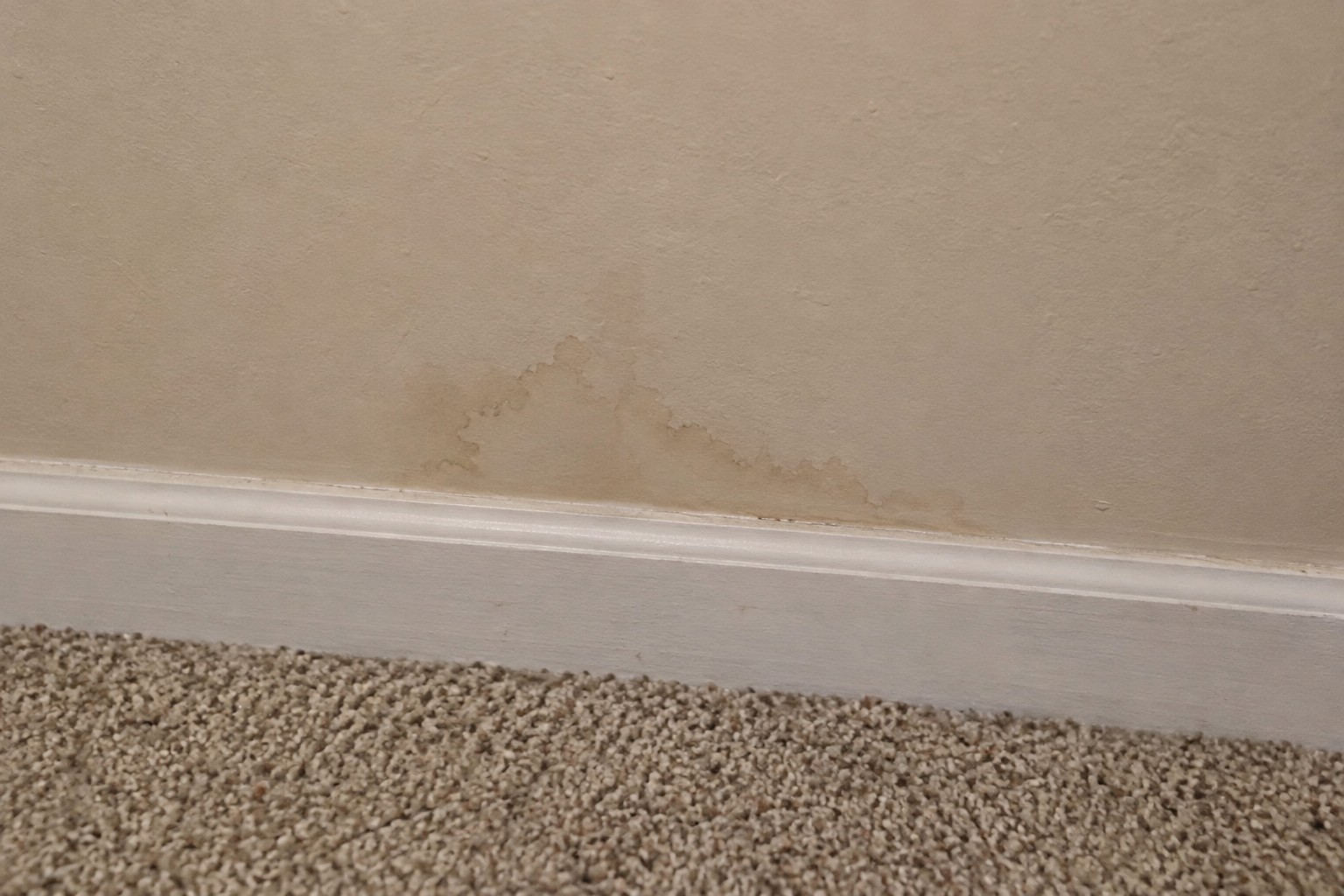
Get close to the actual damage. Capture water lines on drywall, swollen baseboards, cupped wood floors, stained ceilings, peeling paint, and wet carpet edges. If you can, place a tape measure or a common object in the frame for scale.
Tips That Make Photos More Useful
- Turn on date and time stamps in your phone settings, or keep the original files so the data stays attached.
- Take video walkthroughs too. Narrate slowly: what room you are in and what you see.
- Photograph serial and model numbers on damaged appliances and electronics.
- Shoot before cleanup, during cleanup, and after items are removed.
- Back up files to cloud storage or email them to yourself the same day.
Separate the Source From the Symptoms
When an adjuster looks at water damage, one of the first questions is where the water came from. That is why it helps to keep two kinds of records: the source and the symptoms.
The source is where the water started. That might be a split supply line under a sink, a failed water heater, an overflowing toilet, a leaking dishwasher connection or a roof leak. The symptoms are what the water did after that: wet carpet, stained ceilings, swollen cabinets and damp drywall.
Photograph the source on its own, from several angles. If a plumber replaces a broken part, ask them to give you the old part or let you photograph it before it goes in the trash. Keep the plumber’s invoice and any notes about what they found.
Then document the symptoms room by room, using the wide, medium and detail approach. Keeping these two sets of photos in separate folders makes it easier for anyone reviewing your file to follow the path of the water.
One caution: do not decide the cause yourself if you are not sure. If you do not know why the pipe failed, say so. Leave cause findings to the plumber, the restoration team and the adjuster. Your job is to show what is there.
Write a Factual Timeline Without Guessing
A timeline puts your photos in order and answers the questions an adjuster is likely to ask. Write it while events are fresh. A note on your phone or a simple document works fine.
Include things like:
- When you first noticed the water, and what you saw.
- When you shut off the water or power.
- When you called your insurer, and the claim number you received.
- When a plumber, restoration team or other professional arrived and left.
- When items were moved, removed or thrown away.
- When the adjuster visit was scheduled and who you spoke with.
Stick to facts. “I found water on the kitchen floor at 7:15 a.m. Tuesday” is useful. “The pipe probably leaked for weeks” is a guess, and guesses can create confusion later. If you do not know when a leak started, write that you do not know.
The same goes for costs. Do not guess what repairs will cost in your timeline. Record actual invoices and estimates as you receive them, and let the numbers speak for themselves.
Build an Inventory of Damaged Property
Water damage often reaches more than walls and floors. Furniture, rugs, electronics, clothing, books, stored boxes and keepsakes can all be affected. An inventory helps you keep track of what was damaged and what happened to each item.
A simple spreadsheet or table works well. For each item, list:
- A short description, including brand and model if known.
- The room where it was.
- The type of damage you see.
- Roughly when and where you bought it, if you know.
- Whether you have a receipt, manual or photo of it from before the loss.
- Whether it was kept, cleaned, stored or thrown away.
Photograph each item before anything is discarded. Some items may need to go for health or safety reasons, such as soaked padding or anything touched by contaminated water. Ask your insurer how they want discarded items handled. Some may want to see them or ask you to keep a sample, like a cut piece of carpet and pad.
Some items can be saved. Contents recovery is part of restoration work, and a team can help sort what may be cleanable from what is likely a loss. Keep that list in your folder so the adjuster can see what was handled and how.
Keep Receipts for Temporary Repairs and Emergency Costs
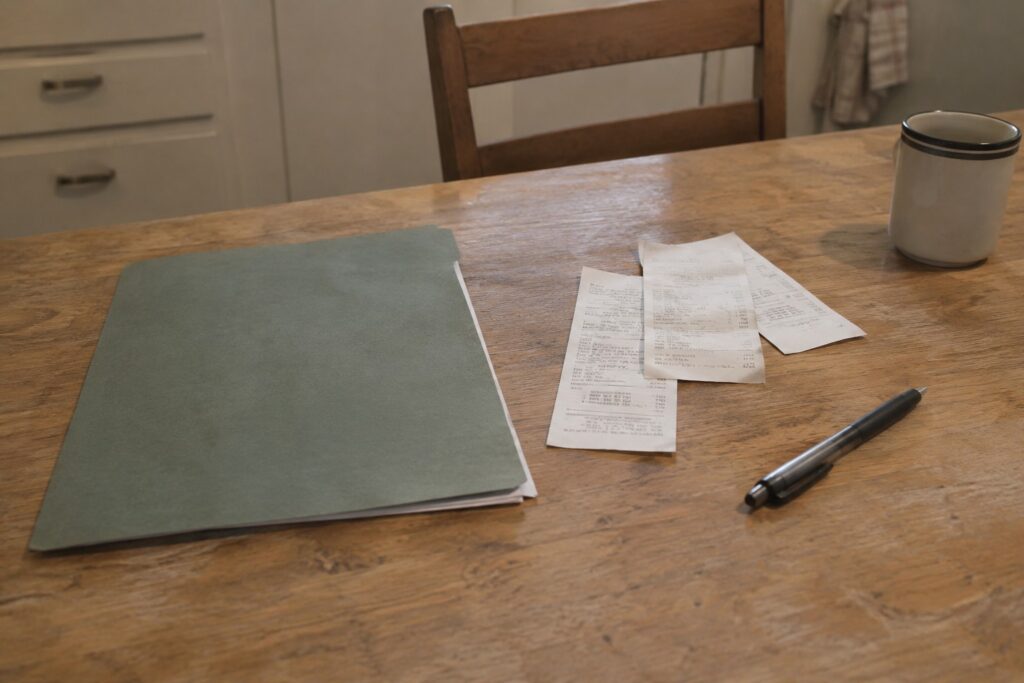
The steps you take right after a water loss often cost money. Keep proof of every expense, even small ones. A clear record helps the adjuster see what you spent and why.
Save receipts and invoices for things like:
- Emergency plumbing repairs.
- Water extraction, drying and dehumidification work.
- Tarps, fans, buckets, towels or plastic sheeting you bought.
- Storage units or moving help for contents.
- Hotel stays or meals, if you had to leave home.
Snap a photo of each paper receipt as soon as you get it. Paper fades and gets lost. Note what each expense was for, so you are not trying to remember three weeks later why you bought six box fans.
Keep temporary repairs temporary. Patch, cover and dry to stop more damage, but talk with your insurer before starting permanent rebuilding, like replacing cabinets or flooring. Whether an expense is covered is the insurer’s call, and it depends on your policy and the cause of loss.
Gather Professional Moisture Readings and Drying Records
Water does not stay where you can see it. It wicks up drywall, spreads under flooring and soaks into framing. A wall can look dry on the surface and still hold moisture inside. This is where professional records matter.
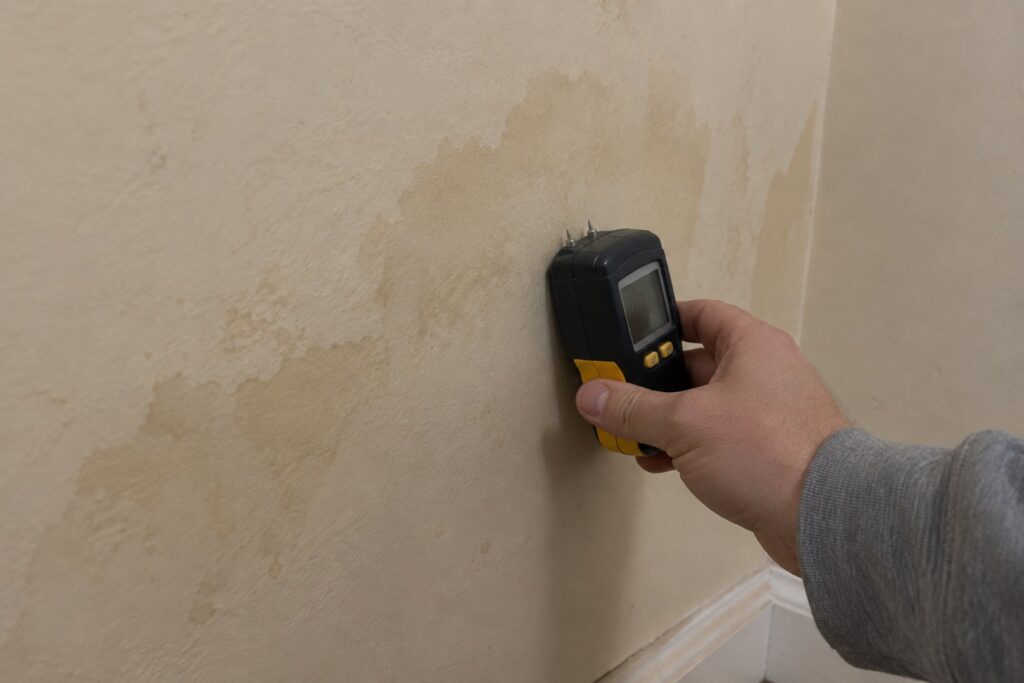
During a water damage job, a restoration team uses moisture meters and other tools to find and map wet materials. They check readings as drying goes on, adjust equipment, and confirm when materials reach a dry target. That process creates a record: where moisture was found, what readings were taken, and how drying progressed.
Ask your restoration company for copies of these records for your file. They may include:
- Moisture maps or sketches showing affected areas.
- Daily or regular moisture readings.
- A list of drying and dehumidification equipment used and where.
- Photos taken during the job.
- Notes on materials removed and why.
Regent Restoration provides water damage restoration in Lewisville, TX, including water removal, moisture detection, structural drying and documentation that can be shared with your insurer.
Keep a Log of Every Call, Email and Visit
Claims involve a lot of conversations. You may talk with a call center, a desk adjuster, a field adjuster, a plumber and a restoration team, all in the same week. It is easy to forget who said what.
A correspondence log fixes that. Every time you talk with someone about the loss, write down:
- The date and time.
- The person’s name, role and company.
- How you talked: phone, email, text or in person.
- What was discussed, in a sentence or two.
- Any next steps, deadlines or items they asked you to send.
When a phone call covers something important, send a short follow-up email that sums it up. Something like, “Thanks for the call today. As I understand it, you need the plumber’s invoice and the contents list by Friday.” That puts the conversation in writing.
Save emails and letters in one folder. If the insurer sends forms, keep copies of what you fill out and when you sent them back.
Put Together an Adjuster-Ready Folder
All of the records above work best when they live in one place. Build a folder, either digital or paper, that you can hand over or pull up during the adjuster visit. A digital folder with labeled subfolders is easy to share by email or link.
A simple structure might look like this:
- 01 Timeline: your factual notes in date order.
- 02 Source Photos: photos and video of where the water came from.
- 03 Damage Photos: wide, medium and detail shots by room.
- 04 Inventory: your list of damaged items with photos.
- 05 Receipts: invoices and receipts for emergency and temporary work.
- 06 Professional Records: plumber notes, moisture readings and drying logs.
- 07 Correspondence: your call log, emails and letters.
Keep a short cover page at the front with your name, address, claim number, the date of loss and your contact information. It saves time and makes your file easier to review.
October is a useful time to organize your records before year-end schedules become busy. An active water loss, however, needs prompt attention in any month.
How to Prepare for the Adjuster Visit Safely
When the visit is set, a little prep makes it smoother. Clear paths to each affected area. Move clutter, pets and kids out of the way. Make sure the adjuster can reach attics, crawl spaces, closets or under-sink areas tied to the loss, as long as it is safe.
If any area is still unsafe, such as a sagging ceiling or an area with electrical concerns, tell the adjuster before they arrive. Do not ask anyone to walk into a risky space. Your photos and professional records can show what is hard to see in person.
It often helps to have your restoration contact available during the visit, by phone or in person. They can explain what they found, how they mapped moisture and what drying work was done. The adjuster works for the insurer and makes coverage decisions. Your restoration team’s role is to explain the work and records, not to negotiate your claim.
Write your questions down ahead of time so you do not forget them. Some useful ones:
- What documents do you still need from me?
- How should I handle items I need to throw away?
- Can I move forward with drying and temporary repairs?
- When should I expect to hear back, and from whom?
- Who is my main contact if I have questions later?
Take notes during the visit, and add them to your correspondence log afterward. If something is unclear, ask for it in writing. For general questions about how the process works with a restoration company, our insurance information page is a good place to start.
Frequently Asked Questions
Should I Wait for the Adjuster Before Cleaning Up Water Damage?
No. Document the scene from a safe, dry location, then arrange prompt professional mitigation. Do not enter standing water, handle wet electrical equipment or touch potentially contaminated materials. Keep receipts and job records. Check your policy for duties after a loss, and speak with your insurer before permanent rebuilding. Coverage decisions depend on your policy and belong to the insurer.
What Photos Matter Most When Dealing With an Insurance Adjuster After Water Damage?
Take three kinds of photos: wide shots of each room, medium shots of each damaged section, and close-ups of the actual damage. Photograph the water source on its own. Add video walkthroughs and photos of model and serial numbers on damaged appliances. Keep original files so the date and time data stays attached, and back them up the same day.
Should I Guess How Long the Leak Was Going On?
No. Stick to what you know. Write down when you first noticed the water and what you saw, then list what you did and when. If you do not know when a leak started, say that plainly. Leave findings about cause and timing to the plumber, restoration team and adjuster, who can look at the evidence directly.
Can I Throw Away Damaged Items Before the Adjuster Visits?
Some items may need to go right away for health or safety reasons, such as soaked carpet pad. Before anything leaves your home, photograph it, add it to your inventory and note why it was removed. Ask your insurer how they want discarded items handled. Some insurers may ask you to keep a sample, like a piece of carpet.
Why Do Professional Moisture Readings Matter?
Water can hide inside walls, under floors and in framing even when surfaces look dry. A restoration team uses moisture meters to find and map wet materials, then tracks readings as drying goes on. Those records show where moisture was found and how drying progressed. Ask for copies for your folder so the adjuster can review them alongside your photos.
Can Regent Restoration Talk to My Insurance Company for Me?
Regent Restoration can share job records with your insurer, such as photos, moisture readings and drying logs, and explain the work we did. Our restoration role is to document and explain the work, not determine your coverage. Your insurer decides what is covered, and that depends on the cause of loss, your policy and any exclusions. Ask us what records we can provide.
Get Help Documenting and Drying Your Lewisville Home
You cannot control when water damage happens. You can control how ready you are when the adjuster arrives. Start with safety, stop the water, and document as you go. Keep your photos, timeline, inventory, receipts, moisture records and call log together in one folder. Then ask clear questions and let the people whose job it is make the decisions that belong to them.
If you are dealing with water damage in Lewisville or nearby, Regent Restoration can help with water extraction, moisture detection and mapping, structural drying, restoration and repairs, contents recovery, and the job records that support your insurance conversation. Call us at (214) 731-4624 or reach out through our contact page to talk with our team.