
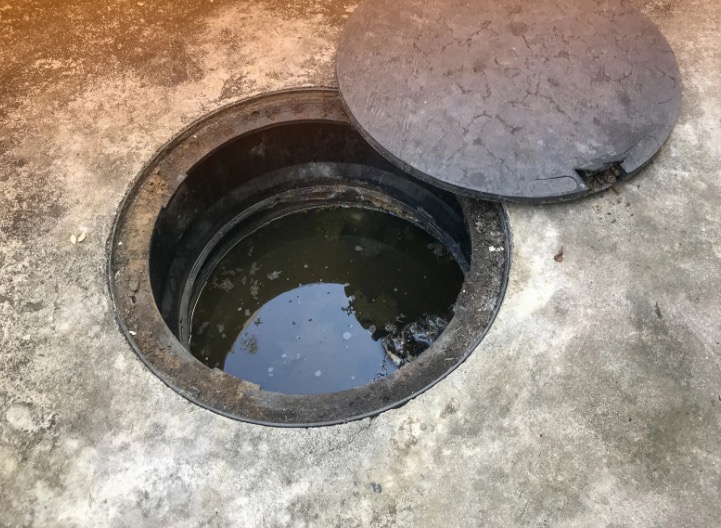
A sewer backup is one of the most dangerous emergencies a Lewisville homeowner can face, and the real threat often goes unseen. The water pooling on your bathroom floor or bubbling up from a basement drain carries bacteria, viruses, parasites, and toxins that can cause serious illness within hours of exposure. The smell is unmistakable, but the actual sewer backup health hazards in Lewisville homes extend far beyond odor.
Unlike a burst supply line that spills treated tap water, a sewage backup introduces grossly contaminated wastewater into your living space. The longer that water sits, the deeper the contamination penetrates walls, subfloors, cabinets, and personal belongings. Professional restoration is not just about removing the water. It’s about removing the biological threat that remains after the water is gone.
What Makes Sewer Backup Water So Dangerous
The restoration industry classifies water damage under the IICRC S500 Standard, which separates incidents into three categories based on contamination. Category 1 is clean water from a broken supply line. Category 2 is gray water from appliances or showers, which has some contaminants but is not grossly contaminated. Category 3, known as black water, sits at the top of the ladder and includes all sewer backups, toilet overflows containing human waste, and rising floodwater that has contacted soil or sewage.
Black water is defined as grossly contaminated and capable of causing serious illness or death if ingested or even contacted. That classification is not a marketing language. It drives every decision a restoration technician makes, from the personal protective equipment they wear to which building materials must be discarded as biohazardous waste. Porous materials like carpet, carpet padding, drywall, and insulation that have absorbed Category 3 water cannot be salvaged through cleaning. They must be removed and replaced.
Lewisville homes are particularly vulnerable because of the area’s aging sewer infrastructure, clay soil that shifts and cracks lateral lines, and seasonal storms that can overwhelm municipal systems. When the public sewer backs up, your floor drains and lowest fixtures are often the first place that contamination enters the home.
Bacterial Pathogens Lurking in Sewage
Raw sewage is a dense reservoir of bacteria, many of which are capable of causing severe illness even in small exposure doses. The most common bacterial contaminants include:
- Escherichia coli (E. coli): Produces toxins that cause severe abdominal cramps, bloody diarrhea, and in some cases kidney failure.
- Salmonella: Triggers fever, vomiting, and gastrointestinal distress lasting four to seven days.
- Campylobacter: One of the most common causes of food poisoning symptoms, including diarrhea and fever.
- Shigella: Causes shigellosis, marked by painful, often bloody stools and high fever.
- Leptospira: Can enter the bloodstream through broken skin and cause Leptospirosis, a condition that damages the liver and kidneys.
Infection often happens through hand-to-mouth contact after touching contaminated surfaces, by inhaling aerosolized droplets, or through open cuts and abrasions on exposed skin. Children are especially vulnerable because they are more likely to touch contaminated surfaces and then put their hands near their mouths.
Viruses and Parasites That Survive in Wastewater
Bacteria are only part of the threat. Viruses and parasites can survive for extended periods in sewage and cause illnesses that range from uncomfortable to life-altering:
- Hepatitis A: Causes liver inflammation, jaundice, and fatigue that can persist for weeks.
- Norovirus: The leading cause of viral gastroenteritis, spread easily through contaminated water and surfaces.
- Rotavirus: Particularly dangerous for young children, causing severe diarrhea and dehydration.
- Giardia intestinalis: A parasite responsible for giardiasis, producing cramping and chronic digestive issues.
- Cryptosporidium parvum: The most frequently encountered waterborne parasite in the United States, causing cryptosporidiosis.
These pathogens can persist in porous surfaces long after visible water is gone, which is one of the reasons sewage events require professional decontamination rather than surface cleaning.
The Secondary Threat: Mold Growth Within 48 Hours
Even after the sewage water is extracted, the moisture left behind creates ideal conditions for rapid mold colonization. Mold can begin growing on damp drywall, carpet backing, wood framing, and insulation in as little as 24 to 48 hours. Stachybotrys chartarum, commonly called black mold, is one of the species most likely to appear in flood-affected structures, and it produces mycotoxins associated with respiratory inflammation, headaches, and neurological symptoms.
Mold exposure is especially concerning for anyone with asthma, allergies, or compromised immune function. Spores become airborne and circulate through your HVAC system, reaching rooms that never had direct sewage contact. Proper mold remediation after a sewage event is not optional. It’s the only way to prevent a secondary health crisis months down the line, after the original backup has faded from memory.
This is why fast, thorough drying is such a central part of sewage restoration. Extracting the water is step one, but achieving actual dryness in structural materials requires commercial dehumidifiers, air movers, and moisture monitoring that continues until verified benchmarks are reached.
Toxic Gases and Airborne Endotoxins You Can’t See
Sewage doesn’t just threaten you through direct contact. The gases released by decomposing organic matter and the airborne toxins generated by dying bacteria pose additional respiratory dangers.
- Hydrogen sulfide produces the characteristic rotten-egg odor and can cause headaches, nausea, and eye irritation at low concentrations.
- Methane is odorless and flammable, presenting both health and fire risks in enclosed spaces.
- Ammonia irritates the eyes, nose, throat, and respiratory tract.
- Endotoxins are fragments of bacterial cell walls released when gram-negative bacteria die. These aerosolized particles can trigger fever, inflammation, and worsening asthma symptoms even in people who never touched the contaminated water.
Proper ventilation, containment, and air filtration using HEPA-rated equipment are critical during cleanup. A shop vacuum and open windows don’t address airborne contamination in any meaningful way. In fact, running standard fans across sewage water can accelerate the spread of pathogens throughout the home.
Who’s Most at Risk in a Sewage-Contaminated Home
While a sewer backup creates health risks for everyone, certain members of your household face significantly higher danger:
- Children under six: Developing immune systems and frequent hand-to-mouth behavior make them highly susceptible to bacterial and viral infection.
- Adults over 65: Age-related immune decline increases the risk of severe illness and complications.
- Pregnant women: Some sewage-borne pathogens cross the placenta or cause complications during pregnancy.
- Immunocompromised individuals: People with cancer, HIV, autoimmune conditions, or recent organ transplants can develop serious infections from exposure levels a healthy adult might tolerate.
- People with asthma or COPD: Mold spores, endotoxins, and toxic gases can trigger severe respiratory episodes.
- Pets: Cats and dogs often lick contaminated paws or drink standing water, leading to ingestion of pathogens.
If anyone in these categories lives in your home, evacuation during cleanup is not a precaution. It’s a necessity. Temporary relocation should be arranged before any cleanup begins, and return should only happen after certified clearance.
Why DIY Sewage Cleanup Makes Health Risks Worse
Homeowners facing a backup often feel pressure to start cleaning immediately. The instinct is understandable, but well-intentioned DIY efforts frequently make the situation worse rather than better.
Mopping spreads contamination across larger surface areas and pushes pathogens into grout lines, floor seams, and subfloor gaps where they continue breeding. Running a wet-dry vacuum over sewage water creates aerosolized droplets that settle on nearby surfaces and drift into adjacent rooms. Household disinfectants applied to visibly soiled areas don’t penetrate porous materials where the real contamination lives. And without moisture mapping equipment, it’s impossible to know how far the water traveled inside walls and under flooring.
Cross-contamination is one of the most overlooked DIY failures. A contaminated mop, sponge, or towel carries pathogens to every surface it touches afterward. The kitchen, laundry room, and bathrooms often end up contaminated secondarily simply because cleaning supplies moved through them. Addressing the source of the backup often requires emergency plumbing response before any cleanup can begin, because continued sewage flow makes decontamination impossible.
Personal belongings that absorbed Category 3 water, including upholstered furniture, mattresses, paper documents, and children’s toys, typically cannot be restored through home cleaning. Proper content cleaning and pack-out determines what can be salvaged using specialized ozone, ultrasonic, and thermal decontamination methods versus what must be disposed of as biohazardous waste.
What Professional Sewer Backup Restoration Looks Like in Lewisville
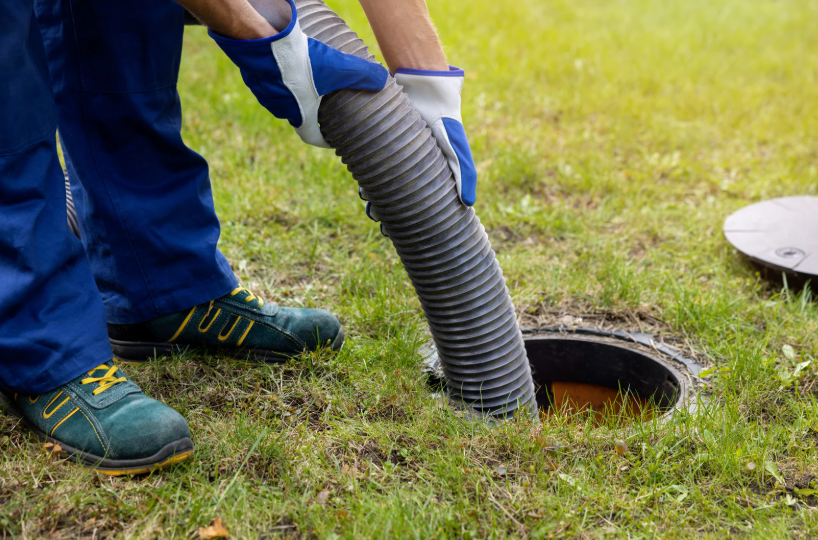
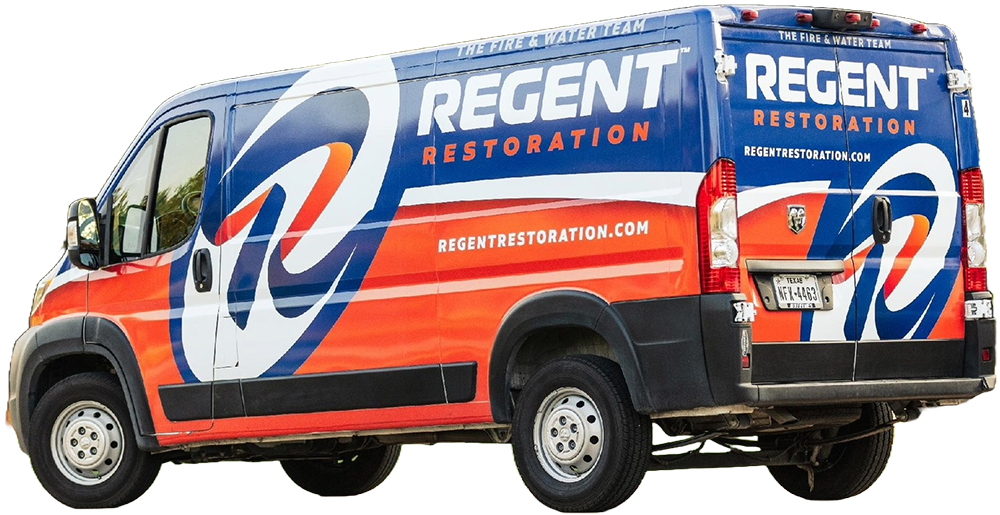
When Regent Restoration responds to a sewage emergency in Lewisville, the work follows IICRC S500 protocols designed specifically for Category 3 contamination.
The first step is a full property assessment that includes thermal imaging to trace how far the water has traveled, moisture readings on all affected materials, and documentation for your insurance claim. Technicians establish containment barriers with plastic sheeting and negative air pressure to prevent cross-contamination into unaffected areas of the home. Personal protective equipment, including respirators, protective suits, boots, and gloves, is worn throughout the entire process.
Next comes water extraction using truck-mounted equipment capable of removing hundreds of gallons rapidly. Porous materials that absorb sewage, including carpet, padding, affected drywall sections, baseboards, and some insulation, are removed and disposed of as biohazardous waste. Non-porous surfaces are cleaned and treated with EPA-registered antimicrobial solutions specifically formulated for Category 3 remediation.
Structural drying follows, using commercial dehumidifiers and air movers to bring moisture in wood framing, subfloors, and remaining materials down to verified dry standard. This process typically takes three to five days and is monitored daily with moisture meters. The final step is clearance testing and, where mold has developed, a separate remediation process. Our water damage restoration process is documented from start to finish, giving you the records your insurance company needs and the verification your family deserves before returning home.
For properties hit by sewer backup combined with rising water from severe weather, comprehensive flood cleanup may be needed as well, since contaminated floodwater is itself classified as Category 3.
Frequently Asked Questions
How long can I safely stay in a home with a sewer backup?
You shouldn’t. Even in unaffected rooms, airborne pathogens, endotoxins, and toxic gases circulate through the HVAC system. Evacuate immediately and arrange temporary accommodations until certified clearance is provided.
Can I just use bleach to disinfect after a sewer backup?
Bleach has limitations against many sewage pathogens and cannot penetrate porous materials where contamination lives. It also doesn’t address airborne contamination, hidden moisture, or the biological residue that remains after visible water is gone. Category 3 water damage requires EPA-registered antimicrobials and IICRC-certified procedures.
Does homeowners insurance cover sewer backup cleanup?
Standard homeowners policies often exclude sewer backup unless you’ve added specific sewer and water backup coverage. Call your insurance agent right away to confirm your policy terms, and document everything with photos and written notes from the moment you discover the backup.
How long does professional sewage restoration typically take?
Most residential sewer backup restoration projects take three to seven days, depending on how far the water traveled, how much porous material must be removed, and whether mold has begun developing. Reconstruction of removed walls, flooring, and cabinets may add additional time.
What symptoms indicate sewage exposure has made someone sick?
Common symptoms include nausea, vomiting, diarrhea, fever, abdominal cramps, skin rashes, eye irritation, headaches, and respiratory issues. Anyone experiencing these after potential sewage exposure should contact a physician promptly and mention the exposure history.
Is a small toilet overflow really a serious issue?
Yes. Even a minor toilet overflow that contains solid waste is Category 3 black water under IICRC standards. The contamination depth matters more than the volume. A small amount of sewage that soaks into subflooring or wicks up drywall creates the same biological hazard as a larger event, just in a more concentrated area.
Get Help Right Now From Lewisville’s Sewage Restoration Specialists
A sewer backup is a biohazard, and every hour you wait allows contamination to spread deeper into your home. Regent Restoration provides 24/7 professional sewage cleanup across Lewisville and the surrounding DFW communities, with rapid response times and full IICRC-compliant restoration from extraction through decontamination. Call (214) 731-4624 now or contact our team online to get a certified crew dispatched to your property.

About Regent Restoration
Regent Restoration is a Lewisville-based property restoration company serving homeowners and businesses throughout the Dallas-Fort Worth Metroplex, including Flower Mound, Frisco, Denton, and Plano. Our IICRC-certified technicians specialize in sewage cleanup, water damage restoration, mold remediation, and fire damage recovery, with 24/7 emergency response across all of our service areas. Every project follows industry-standard protocols from assessment through final clearance, so Lewisville families can return to a home that is verifiably safe, not just visibly clean.