
Plano sits in one of the fastest-growing corridors in North Texas, with neighborhoods ranging from the established streets of Old Plano near Haggard Park to the upscale developments around Willow Bend and Stonebriar. While the city is known for excellent schools, thriving businesses along Legacy West, and easy access to green spaces like Arbor Hills Nature Preserve, it is also a place where water damage remains a persistent concern for homeowners. The combination of North Texas clay soil, flat terrain, seasonal storms, and aging infrastructure creates conditions that can lead to water intrusion in homes across every price range.
Understanding the most common causes of water damage in Plano can help you take proactive steps to protect your home, your belongings, and your family. Whether you live in a newer build near The Shops at Legacy or a 1980s-era home in Preston Meadow, the risks are real. Below is a detailed look at the leading causes of water damage in this part of Collin County.
Plumbing Failures and Pipe Bursts
Plumbing failures are the single most common source of water damage in Plano homes. Many of the residences in neighborhoods like Kings Ridge, Deerfield, and Hunters Creek were built in the 1980s and 1990s, meaning their original plumbing systems are now 30 to 40 years old. Over time, copper pipes develop pinhole leaks, polybutylene piping (common in that era) becomes brittle, and joints weaken under constant pressure.
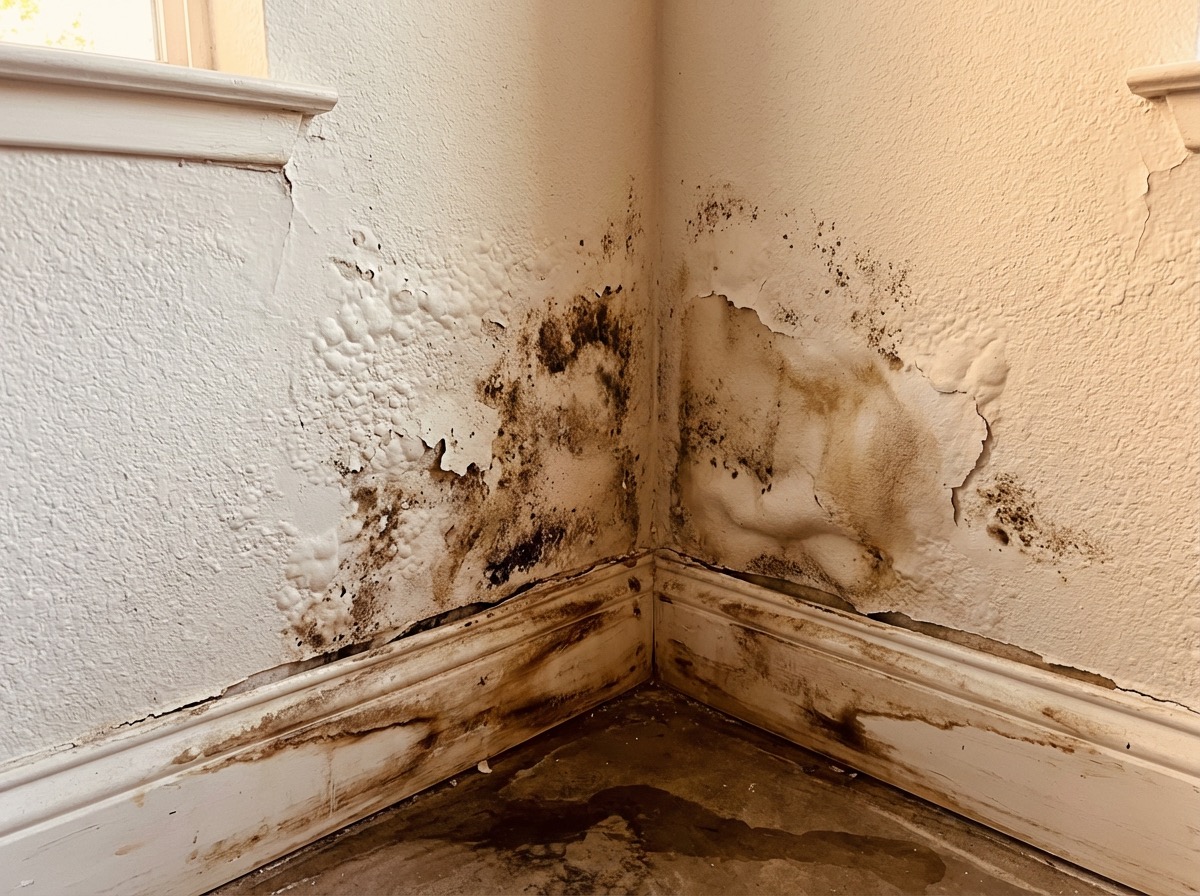
Sudden pipe bursts can release hundreds of gallons of water into walls, ceilings, and flooring within minutes. Even a slow, hidden leak behind drywall can cause extensive damage over weeks or months, often leading to the need for mold remediation once the moisture is discovered. Supply line failures under sinks, behind toilets, and at washing machine connections are especially common in older Plano homes.
During winter cold snaps, which hit North Texas every few years, exposed or poorly insulated pipes can freeze and burst. The February 2021 winter storm caused widespread pipe bursts across Plano and neighboring cities like Allen and Richardson, overwhelming emergency plumbing services for weeks.
Slab Leaks and Foundation Movement
Plano is built almost entirely on expansive clay soil, which shifts dramatically between wet and dry seasons. This movement puts enormous stress on slab foundations, which are the standard construction type across Collin County. When a slab shifts or cracks, it can rupture the water supply lines and drain pipes that run underneath the concrete.
Slab leaks are particularly dangerous because they often go undetected for long periods. Homeowners in areas like Gleneagles and Willow Bend may notice unusually high water bills, warm spots on the floor, or the sound of running water when no fixtures are in use. Left unaddressed, slab leaks can cause significant structural damage, promote mold growth, and lead to wood floor water damage repair needs throughout the home.
The clay soil in Plano expands when it absorbs moisture from rain and contracts during the long, dry summer months. This seasonal expansion and contraction cycle is one of the primary drivers of foundation movement and slab leak occurrences in the region.
Severe Storms and Flash Flooding
North Texas is known for intense spring and summer thunderstorms that can drop several inches of rain in a short period. Plano’s relatively flat terrain and clay soil create conditions where rainwater does not absorb quickly into the ground. Instead, it pools on the surface, overwhelms storm drains, and backs up into low-lying areas. Neighborhoods near Spring Creek and other drainage channels can be especially vulnerable during major rain events.
Flash flooding can push water into homes through doorways, garage entrances, and foundation cracks. Even homes that are not in a designated flood zone can experience flood damage when the volume of rainfall exceeds the capacity of the local drainage system. Rapid development across Plano and neighboring Frisco has increased the amount of impervious surface area (concrete, asphalt, rooftops), which reduces natural water absorption and increases runoff during storms.
After a major storm, homeowners should inspect their property for standing water in the yard, moisture along the foundation perimeter, and any signs of water entry in the garage or lower-level rooms. Prompt action can make the difference between a minor cleanup and a full-scale water damage restoration project.
Roof Damage and Attic Leaks
Plano experiences frequent hailstorms, particularly during the spring months from March through June. Hail can crack or dislodge asphalt shingles, damage flashing around vents and chimneys, and create openings where water can penetrate the roof deck. Many homeowners do not realize their roof has been compromised until water stains appear on ceilings weeks or months after a storm.
Attic leaks are common in Plano homes across all neighborhoods, from older properties in the Ridgewood Hills area to newer construction near Stonebriar. Deteriorated roof boot seals around plumbing vents, cracked pipe collars, and improperly sealed skylights are frequent points of entry. Over time, even a small roof leak can saturate attic insulation, damage ceiling joists, and promote mold growth that spreads through the attic space. Scheduling roof repair promptly after storm damage is one of the most effective ways to prevent interior water damage.
Appliance Malfunctions
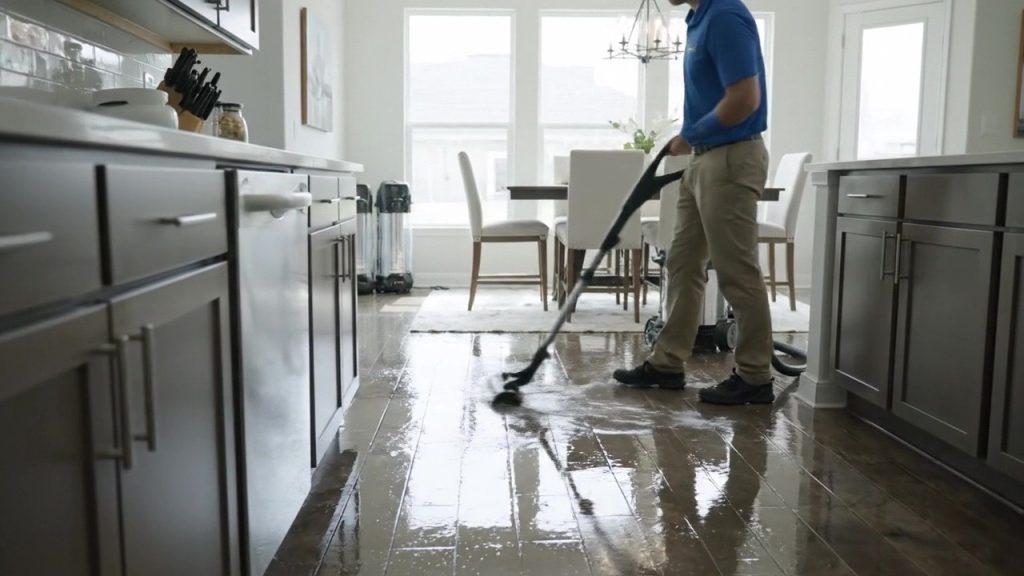
Household appliances are a surprisingly common source of water damage in Plano homes. Washing machines, dishwashers, refrigerators with ice makers, and water heaters all have supply lines and internal components that can fail without warning. A burst washing machine hose can flood a laundry room and adjacent areas within minutes, causing damage to flooring, baseboards, and lower drywall.
Water heaters are another frequent culprit, especially in homes where the unit has not been replaced in over 10 years. Tank corrosion, pressure relief valve failures, and sediment buildup can all lead to leaks or catastrophic tank failure. In two-story homes, a second-floor water heater failure can cause cascading damage through multiple rooms.
- Washing machine hose failures (rubber hoses should be replaced with braided stainless steel)
- Dishwasher supply line and drain hose leaks
- Refrigerator ice maker line cracks or disconnections
- Water heater tank corrosion and pressure valve failures
- HVAC condensate drain line clogs or overflows
HVAC Condensation and Drain Line Issues
In the Plano climate, air conditioning systems run heavily from May through October, producing significant condensation as they remove humidity from indoor air. This moisture is normally channeled through a condensate drain line to the exterior of the home. When that drain line becomes clogged with algae, dust, or debris, water can back up into the drain pan and overflow into the attic, closet, or utility room where the air handler is located.
HVAC-related water damage is especially common in homes where routine maintenance has been deferred. During peak summer months, a clogged condensate line can produce several gallons of overflow per day, saturating insulation, ceiling drywall, and flooring materials. Many Plano homeowners discover this type of damage only after noticing water stains on the ceiling below the HVAC unit or detecting a musty odor that signals hidden moisture and potential mold growth.
Poor Drainage and Grading Issues
Proper grading around the foundation is essential for directing rainwater away from the home. Over time, soil settlement, landscaping changes, and the natural compaction of clay soil can alter the grade around a home’s perimeter, allowing water to pool against the foundation. In neighborhoods like Preston Meadow and Old Plano near Downtown, where homes are several decades old, grading problems are common.
Clogged or improperly installed gutters and downspouts compound the problem. When gutters overflow or downspouts discharge water too close to the foundation, the saturated soil expands and pushes against the slab. This can accelerate foundation movement and create pathways for water to enter the home through hairline cracks in the slab or exterior walls. Homeowners near Spring Creek and other lower-elevation areas of Plano should pay particular attention to their drainage systems.
Sewage Backups
Sewage backups represent one of the most hazardous forms of water damage. In Plano, tree root intrusion into aging sewer lines is a leading cause of backups, particularly in established neighborhoods with mature trees. Live oaks, pecan trees, and other large species common in areas like Deerfield and Hunters Creek send roots toward moisture sources, and sewer lines offer a consistent supply.
When roots penetrate sewer pipe joints, they create blockages that cause wastewater to back up through floor drains, toilets, and shower drains. This type of contaminated water (classified as Category 3 or “black water”) requires professional sewage cleanup to ensure the affected area is properly sanitized and restored. The health risks associated with sewage backups make them one of the most urgent water damage scenarios a Plano homeowner can face.
What to Do When Water Damage Occurs
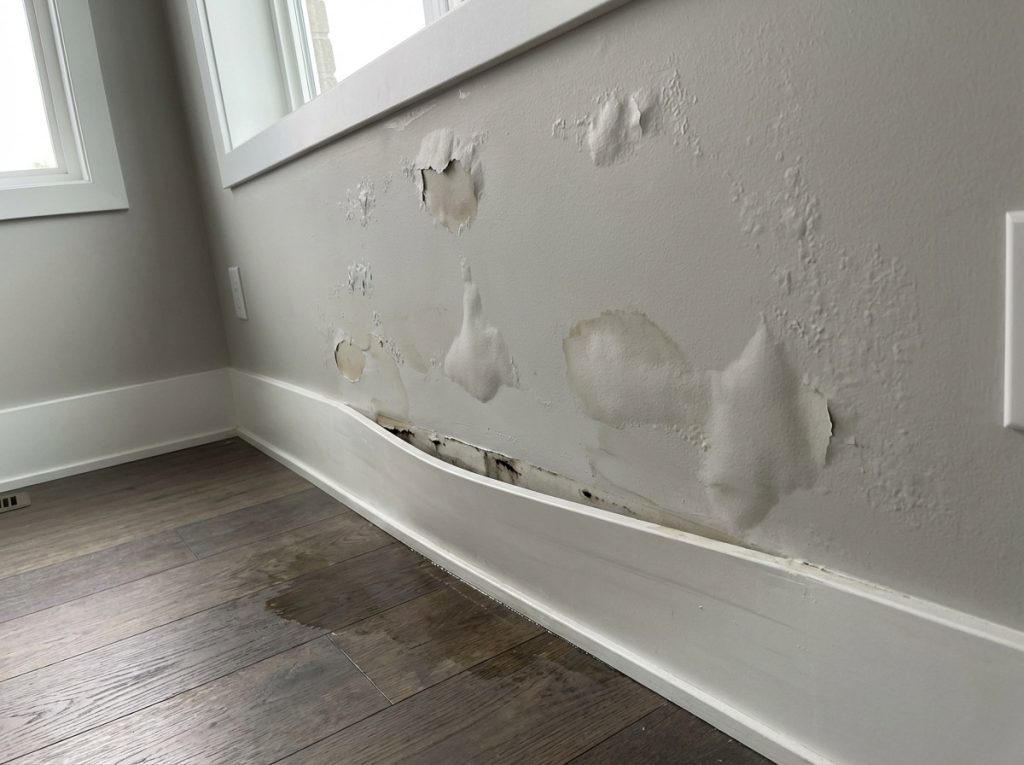
Regardless of the source, quick action is critical when water damage occurs. The first 24 to 48 hours are the most important window for minimizing damage and preventing secondary issues like mold growth. Here are the steps Plano homeowners should take immediately after discovering water damage:
- Shut off the water supply at the main valve if the source is a plumbing failure
- Turn off electricity to affected areas if water is near outlets or appliances
- Document the damage with photos and video for insurance purposes
- Remove valuable items and furniture from standing water when safe to do so
- Contact a professional restoration company to begin water extraction and drying
- Notify your homeowner’s insurance provider to start the claims process
Professional flood cleanup involves industrial-grade water extraction, structural drying with commercial dehumidifiers, and thorough moisture monitoring to confirm the affected materials have returned to safe levels. Attempting to handle significant water damage without professional equipment often leads to incomplete drying and long-term moisture problems.
Frequently Asked Questions
What is the most common cause of water damage in Plano homes?
Plumbing failures, including pipe bursts, supply line leaks, and fixture malfunctions, are the most common cause of water damage in Plano. The city’s aging housing stock in many neighborhoods means plumbing systems are reaching the end of their expected lifespan.
Does Plano’s clay soil really affect water damage risk?
Yes. The expansive clay soil throughout Plano and Collin County expands when wet and contracts when dry. This movement causes foundation shifting, slab cracks, and underground pipe damage. It also prevents rainwater from absorbing quickly, increasing the risk of surface flooding during heavy storms.
How quickly should I respond to water damage in my Plano home?
As quickly as possible. Mold can begin growing within 24 to 48 hours of water exposure, especially during the warm, humid months in North Texas. Prompt water extraction and structural drying are essential to preventing secondary damage and reducing overall restoration costs.
Are homes near Spring Creek at higher risk for flooding?
Homes in lower-elevation areas near Spring Creek and other drainage channels can be at higher risk during major rain events. However, flash flooding in Plano can affect any neighborhood when storm drains are overwhelmed, regardless of proximity to waterways.
Can HVAC systems cause water damage?
Yes. A clogged condensate drain line on an HVAC system can cause significant water damage, especially during summer when the system runs continuously. Regular maintenance, including clearing the condensate line, can prevent this common issue in Plano homes.
Should I worry about sewage backups in an older Plano neighborhood?
Older neighborhoods with mature trees are at higher risk for sewage backups caused by tree root intrusion into sewer lines. Regular sewer line inspections with a camera can help identify root intrusion before it causes a full backup. If a backup does occur, professional sewage cleanup is strongly recommended due to health hazards.
Protect Your Plano Home from Water Damage Today!
If you are dealing with water damage in your Plano home, or if you want to take preventive steps to reduce your risk, the team at Regent Restoration is here to help. With 24/7 availability and experience serving homeowners throughout Collin County, we respond quickly to minimize damage and restore your property. Call us at (214) 731-4624 to speak with a restoration specialist.

About Regent Restoration
Regent Restoration provides comprehensive property restoration services to homeowners and businesses in Plano, TX and the surrounding North Texas area. Our services include water damage restoration, mold remediation, fire damage restoration, sewage cleanup, emergency plumbing, roof repair, carpet cleaning, and content cleaning and pack-out. We serve communities across Plano and neighboring cities including Allen, McKinney, Frisco, Richardson, The Colony, Garland, Carrollton, and Dallas.