
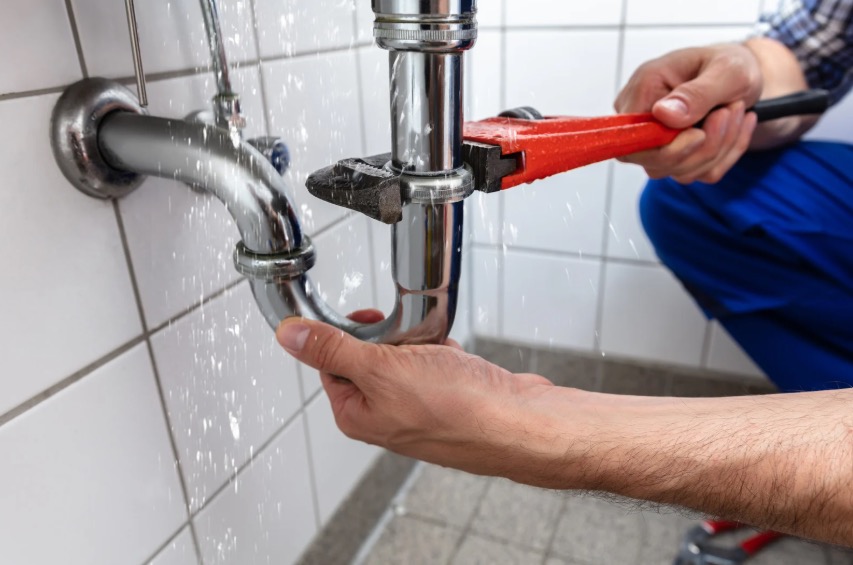
When a small drip under your kitchen sink seems harmless, you may be tempted to ignore it. However, even minor plumbing leaks can set the stage for major mold remediation problems in Lewisville, where North Texas climate conditions create ideal environments for growth.
Small plumbing leaks often remain unnoticed for weeks, allowing moisture to collect in walls, under floors, and behind cabinets. DFW’s humid subtropical climate turns these damp spaces into breeding grounds for mold, including hazardous black mold that threatens health and property.
What begins as a few drops of water can escalate into thousands of dollars in repairs. Families may face respiratory concerns, costly flood damage restoration, and disrupted living spaces. Prompt detection and action help prevent long-term consequences that strain both finances and well-being.
Understanding how small leaks develop into serious mold infestations is essential. This guide explores the challenges posed by North Texas weather, the risks of hidden leaks, and the preventive steps Regent Restoration recommends to keep your home safe and healthy.
Identify the Hidden Threat of Plumbing Leaks
Most homeowners pay close attention to obvious issues like burst pipes or overflowing toilets, but the real danger comes from leaks hidden out of sight. Recent 2023 industry analysis confirms that 37% of U.S. homeowners experienced property damage, with undetected water leaks being the primary driver, accounting for nearly 60% of cases.
Hidden leaks often lurk behind walls, under floors, or in crawl spaces. They can persist for months unnoticed. Even a slow drip wasting 34 gallons annually supplies enough moisture to support significant mold growth, and most hidden leaks release far more than a single drop.
In Dallas-Fort Worth homes, these leaks frequently appear behind washing machines, under bathroom vanities, around toilet bases, and at pipe joints inside walls. The combination of warm weather and high humidity across North Texas creates the perfect breeding environment once mold spores meet this trapped moisture.
What makes the situation especially concerning is the timing. By the time homeowners notice musty odors, stains, or warped materials, mold has often spread far beyond the original leak area. The damage is rarely confined to the source, escalating the need for immediate professional intervention.
Understand How DFW’s Climate Speeds Mold Growth
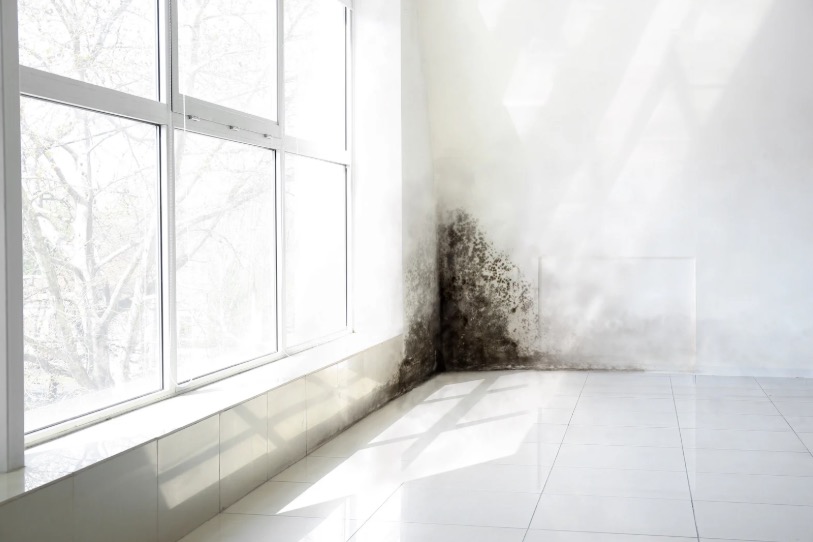
The Dallas-Fort Worth metroplex combines heat and humidity that make homes especially vulnerable to mold growth after plumbing leaks. Average summer humidity of 65% to 85% and frequent 90-degree days create ideal breeding conditions for spores thriving in moisture-rich environments.
Unlike drier areas where small leaks evaporate, DFW’s high humidity means leaked water lingers within building materials. This trapped moisture gives naturally present spores the time to form colonies.
Official guidance and Texas regulatory standards confirm that microbial (mold) growth often begins on wet materials within just 24 to 48 hours of water intrusion, making rapid drying essential for prevention.
Seasonal patterns make matters worse. In hot summers, air conditioning produces condensation in wall cavities affected by leaks. During winter, temperature swings expand and contract pipes, worsening leaks. Together, these conditions transform minor plumbing issues into serious mold problems quickly throughout North Texas households.
The cyclical stress on plumbing systems means that residents must remain extra vigilant. Mold can grow faster here than in most regions, requiring closer monitoring. Even small leaks left untreated can spiral into significant infestations that impact health, property value, and indoor air quality.
Professional restoration experts at Regent Restoration report that North Texas homes often need extensive fire and smoke damage restoration compared to drier climates. Accelerated mold growth from the regional climate frequently adds complexity to restoration, raising both the cost and urgency of timely professional intervention.
See the Science Behind Leaks Turning Into Mold
Understanding how small plumbing leaks evolve into major mold problems starts with the conditions mold needs: moisture, organic food sources, and temperatures between 40 and 100 degrees Fahrenheit. Unfortunately, most homes provide all three, making them perfect environments for mold development when leaks occur.
Once excess moisture reaches building materials such as drywall, wood, or carpet padding, it lays the groundwork for mold growth. These materials provide nourishment, while typical indoor temperatures stay within the mold’s comfort range. Spores, always present indoors, land on these damp surfaces and quickly take root.
Within just 24 hours, spores can germinate and develop thread-like hyphae that spread deeper into the organic material. These structures help secure the colony and draw more nutrients. As this hidden process unfolds, colonies expand and release spores back into the air.
The reproduction cycle accelerates quickly. A single square inch of mold can generate millions of spores, each capable of starting new colonies under favorable conditions. This rapid multiplication explains why mold infestations often spread from a single leak into multiple rooms or even entire floors.
Even seemingly minor plumbing issues can therefore escalate into widespread damage if left untreated. What begins as a tiny moisture problem soon becomes a costly, dangerous infestation, affecting both property structure and household health. That’s why prompt action is crucial when leaks are suspected.
Recognize Common Leak Sources That Cause Mold
Several types of plumbing leaks are particularly notorious for causing mold problems in DFW homes. Understanding these common sources can help homeowners identify potential issues before they escalate into major remediation projects.
Supply line leaks are especially dangerous because they provide a constant flow of clean water that fuels mold growth. These leaks typically occur behind appliances, under sinks, or at wall pipe connections. In one Plano case, a refrigerator line leak spread mold through the walls, requiring extensive drywall replacement.
Drain line leaks create additional risks, especially in bathrooms and laundry areas. Unlike clean water leaks, they release contaminated water that supports aggressive mold and health hazards. Common culprits include shower pan leaks, toilet seal failures, and washing machine drains that often go unnoticed until odors or stains emerge.
The following plumbing components require regular monitoring in DFW homes:
- Water heater connections and drain pans
- Toilet wax rings and supply connections
- Shower and bathtub caulking and tile grout
- Washing machine supply hoses and drain connections
- Refrigerator ice maker lines
- Under-sink shut-off valves and supply lines
Seasonal factors also play a role in leak development. The clay soil common throughout the DFW area expands and contracts significantly with moisture changes, creating stress on underground plumbing that can lead to foundation leaks. These foundation-level leaks are particularly problematic because they often affect crawl spaces or basements where conditions are already conducive to mold growth.
Protect Your Health from Mold-Related Risks
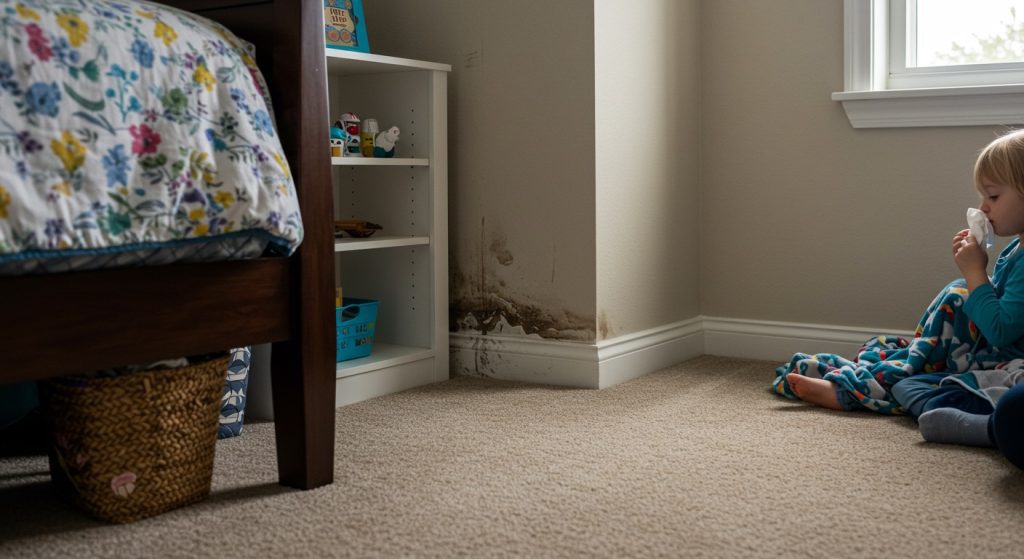
The health effects of mold caused by plumbing leaks go far beyond inconvenience. Families with children, seniors, or people with weak immune systems face the highest risks. Research highlights health effects ranging from mild allergy-like symptoms to severe breathing issues, showing just how harmful mold exposure from plumbing leaks can become.
Early signs often resemble seasonal allergies or colds, making them easy to miss. Persistent coughing, sneezing, sore throats, and watery eyes are common. Long-term exposure becomes more dangerous because moisture continues feeding colonies, raising spore levels throughout indoor air and increasing overall health risks.
Respiratory problems remain the most troubling outcome. Mold spores and certain mycotoxins can cause severe asthma attacks, create new sensitivities, and trigger recurring sinus infections. Children are especially at risk since their lungs are still developing and they spend more time closer to the floor.
More detailed information on specific mold threats can be found here: Top 5 Health Dangers You Can Prevent with Black Mold Removal Experts. It outlines how various mold types in water-damaged homes affect health and explains why immediate action is critical.
Professional assessment is essential when leaks remain unnoticed for weeks or longer. Certain mold species produce hazardous toxins that require specialized handling and protective measures. Skilled remediation helps protect families by ensuring complete removal and preventing health issues from worsening or recurring in the future.
Use Professional Detection for Accurate Assessment
Modern mold detection goes far beyond looking for visible growth or musty odors. Professionals now use advanced methods to uncover hidden contamination and determine the true scope of remediation, ensuring no problem areas remain overlooked during cleanup.
Thermal imaging stands out as a powerful tool for detecting moisture from plumbing leaks. These cameras highlight temperature differences in walls and floors that reveal hidden water. Moisture meters add precision by measuring water content in building materials, showing which items can be saved and which require replacement.
Air quality testing plays an important role in mold assessment. By sampling both indoor and outdoor air, professionals can identify the specific mold types present and their concentration levels. Surface sampling may also be necessary when visible growth exists, helping to identify especially dangerous species like black mold.
HVAC evaluations are equally critical during mold inspections. Contaminated ductwork can spread spores throughout a home if not properly addressed. Checking these systems helps ensure the source of contamination is contained and prevents mold from circulating into previously unaffected spaces.
This thorough, multi-step approach guarantees accurate results. By combining imaging, air testing, surface analysis, and HVAC checks, professionals can identify every affected area. This reduces the risk of mold returning after remediation and ensures that homes remain safe and properly restored.
Adopt Smart Prevention Strategies for Your DFW Home
Preventing mold from plumbing leaks requires a proactive plan that covers both plumbing upkeep and environmental factors unique to North Texas. Inspection schedules should prioritize high-risk spots and include seasonal maintenance that considers the area’s climate challenges.
Monthly checks should include sinks, toilets, appliances, and visible pipes. Watch for water damage signs like stains, warping, or soft flooring. Give extra attention to areas with prior issues, since recurring leaks often point to deeper plumbing problems needing professional attention.
The following maintenance practices are especially important for DFW homeowners:
- Annual professional plumbing inspections to identify potential problem areas
- Regular replacement of washing machine hoses (every 3-5 years)
- Monitoring water pressure to prevent stress on plumbing connections
- Maintaining proper drainage around the home’s foundation
- Ensuring adequate ventilation in bathrooms and laundry areas
Environmental controls are equally vital. Good ventilation helps regulate humidity, making it harder for mold to grow even when leaks occur. Dehumidifiers are especially useful in basements, crawl spaces, and other areas prone to persistent moisture buildup.
Take Immediate Action When Leaks Are Found
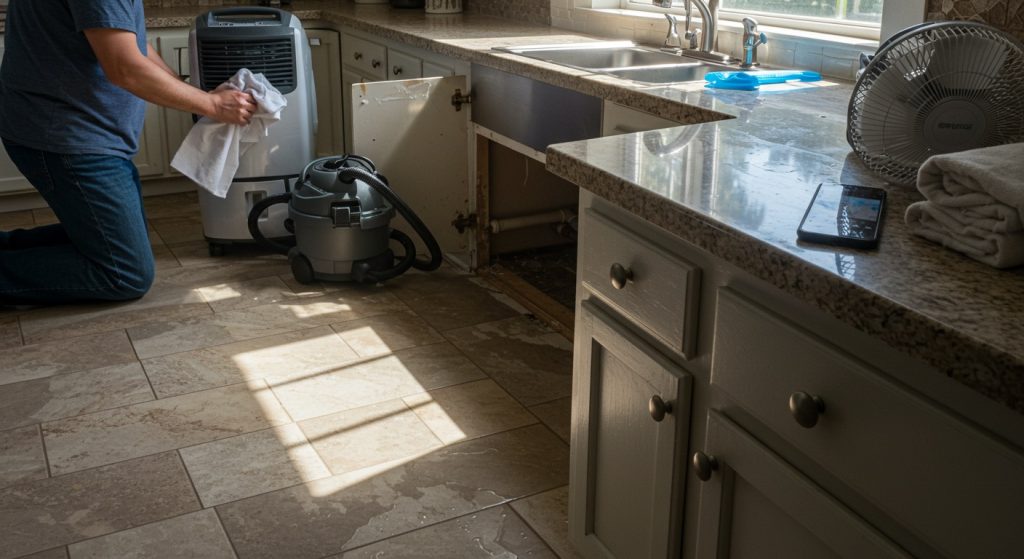
When you find a plumbing leak in your DFW home, how you act within 24 to 48 hours determines the outcome. Mold can grow in as little as one day, and North Texas conditions often speed this process significantly.
Your first step should be to stop the water flow. Shut off supply valves or the main line if possible. Quickly remove standing water with mops, towels, or a wet vacuum. Begin drying surfaces using fans or dehumidifiers to limit moisture spread.
Avoid running the HVAC system during drying, since it could spread spores if contamination has already started. Direct airflow helps limit moisture, but circulating spores through vents can worsen the issue. Take care to dry affected areas methodically and thoroughly.
Document the damage before cleaning, taking photos for insurance claims. Remove and dispose of materials that stay wet longer than 24 hours, such as carpet padding, soaked drywall, and damaged organic items. Services like flood cleanup, emergency roof leak repair, and extraction reduce future mold risks.
Professional evaluation is vital when leaks have lasted for unknown periods, the affected space exceeds 10 square feet, or the water was contaminated. Families with respiratory sensitivities or health conditions especially benefit from professional remediation, which protects what DIY cleanup can safely deliver.
Frequently Asked Questions
How quickly can mold start growing after a plumbing leak occurs?
Mold can begin developing within 24 to 48 hours after a plumbing leak, especially in DFW’s humid climate. Moisture combined with existing spores creates ideal conditions for colonization. Warm temperatures and high humidity make an immediate response critical to limit the spread.
What are the early signs that a plumbing leak has caused mold growth?
Early signs include musty odors near plumbing, staining on walls or ceilings, and worsening allergy symptoms. Peeling paint, warped flooring, or lingering dampness may appear before visible mold develops. Professional inspection helps confirm hidden growth early and prevents larger outbreaks.
Can I handle mold cleanup from small plumbing leaks myself?
Mold under 10 square feet may be manageable with proper safety gear, but professional help is usually safer. In DFW’s climate, mold often spreads beyond visible areas, and some species pose health risks. Experts ensure thorough removal and fix moisture issues.
How does DFW’s climate make mold problems worse than in other regions?
High humidity and warm temperatures in North Texas create prime mold conditions. Clay soil causes foundation movement that stresses plumbing, increasing leak risks. Heavy air conditioning use also produces condensation in wall cavities, further supporting mold development and hidden growth indoors.
What should I expect during professional mold remediation following a plumbing leak?
Remediation begins with moisture detection and air quality testing. Crews contain the area with barriers and negative air pressure to prevent spore spread. Damaged materials are removed, salvageable items cleaned, and antimicrobial treatments applied. The process ends with drying and final testing.
Keep Your Home Mold-Free and Protected Today!
Small plumbing leaks in DFW homes are more than a minor nuisance. They create conditions that allow mold to spread quickly, threatening both property and health. The region’s climate, combined with hidden leaks, makes prevention and fast response essential.
Understanding how mold develops and spotting early warning signs helps homeowners act before the problem escalates. Proactive strategies such as routine inspections, moisture control, and timely repairs save thousands in remediation costs while also protecting families from long-term health risks.
When leaks do occur, professional evaluation becomes critical. Certified restoration specialists provide the expertise needed to stop damage immediately, remove mold thoroughly, and prevent future infestations. Their intervention ensures homes remain safe, healthy, and protected against recurring mold problems for years to come.
About Regent Restoration
Regent Restoration specializes in water damage restoration and mold remediation services, serving the Dallas-Fort Worth metroplex for over 15 years. We provide emergency water extraction, structural drying, and complete remediation that includes advanced moisture detection, air quality testing, and post-remediation verification.
Our certified restoration professionals combine advanced technology with in-depth knowledge of North Texas homes and climate challenges. This approach allows us to deliver solutions that not only repair immediate damage but also address underlying moisture sources to prevent recurring problems.
We know the unique challenges DFW homeowners face, from foundation settlement that strains plumbing to a humid climate that accelerates mold. Our comprehensive approach ensures homes are properly restored and protected. Thousands of local families have trusted us to recover their homes safely.
Reach out to Regent Restoration at (214) 731-4624 to see how our roof repair services and wood floor water damage repair can protect your DFW home. Explore our full range of home restoration services and learn how we’ve helped families recover quickly and with confidence.