
Premier Water Damage Restoration Services in Pilot Point, TX

Regent Restoration serves as North Denton County’s trusted property restoration specialist, bringing decades of combined experience to every emergency response. When structural damage compromises your property, our certified technicians deliver comprehensive structural restoration across the Pilot Point area.

Call (214) 731-4624 for immediate assistance.

Complete Property Restoration Services for Pilot Point Residents

Regent Restoration brings decades of combined experience to each project, utilizing commercial-grade equipment and proven methodologies. Our certified technicians maintain continuous availability to address emergencies requiring immediate response. The scope of our capabilities extends across all property restoration categories, from initial damage assessment through final reconstruction.

Regent Restoration provides complete property recovery services throughout the area. Our service capabilities include:
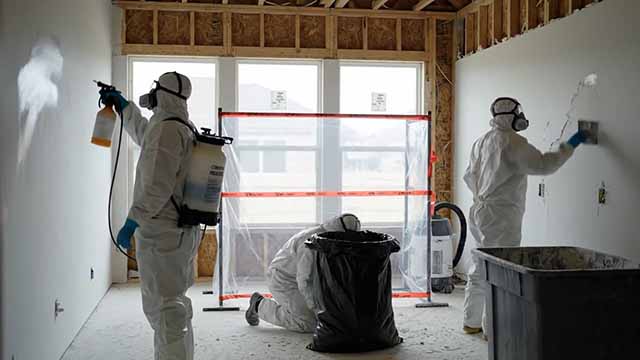
Asbestos Abatement
Carpet Cleaning
Content Cleaning & Pack-out
Emergency Services
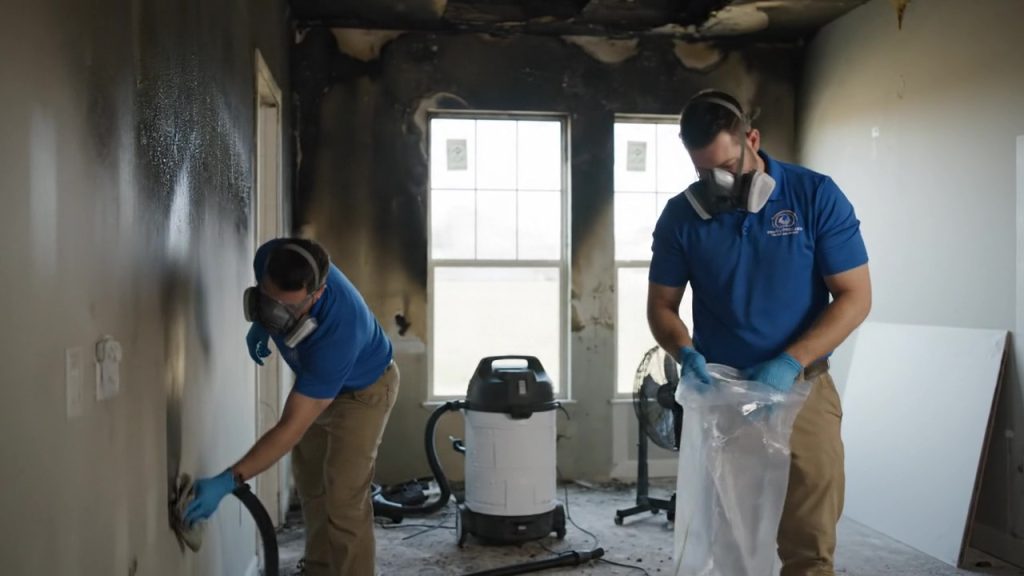
Fire Damage Restoration
Flood Cleanup
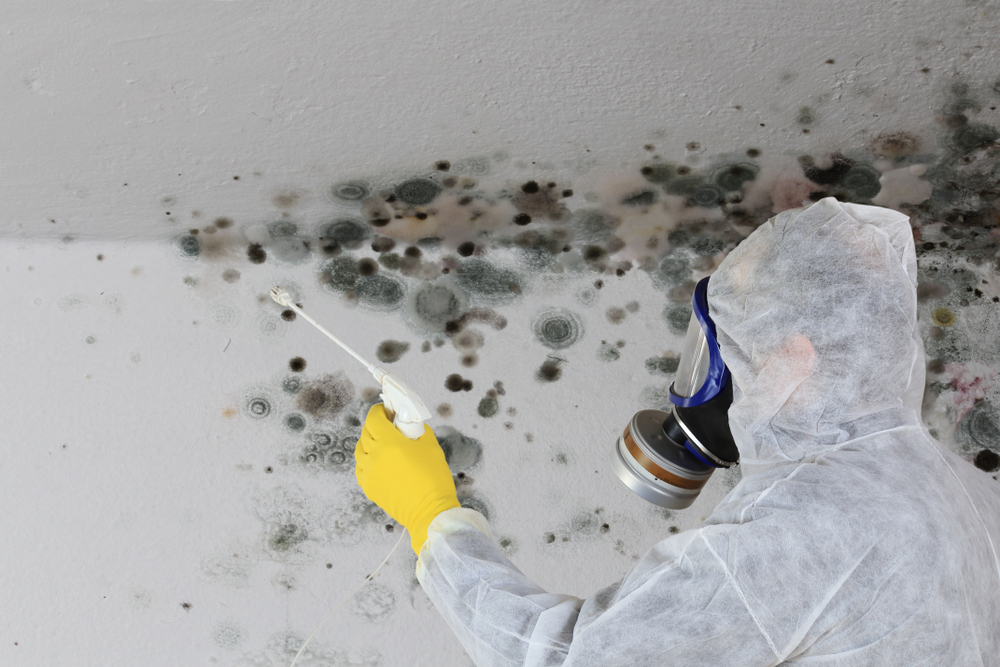
Mold Remediation
Roof Repair
Sewage Cleanup
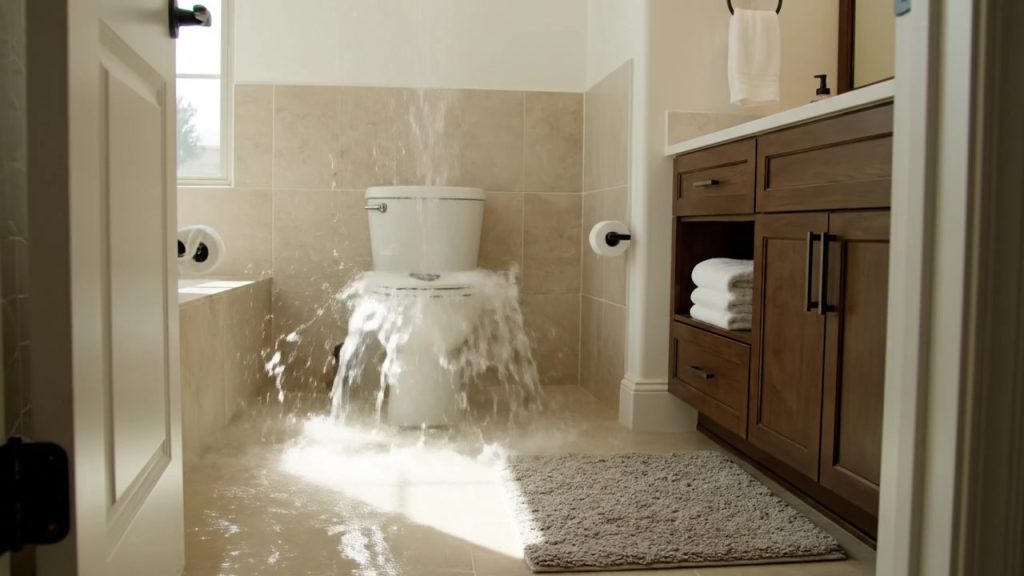
Water Damage Restoration
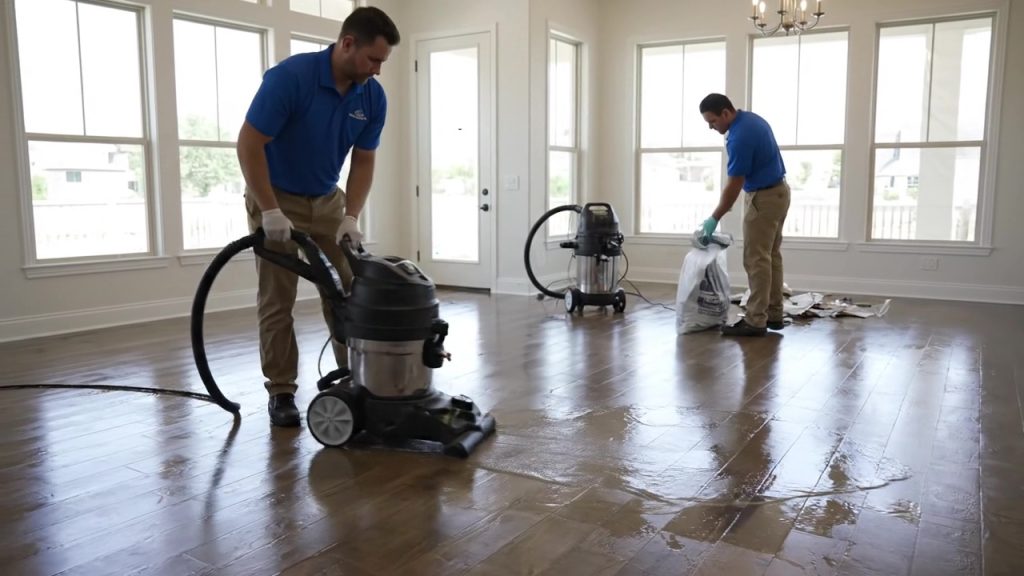
Wood Floor Water Damage Repair

Why Property Owners Select Regent Restoration?

Our commitment extends beyond standard repair protocols to encompass complete structural recovery and occupant safety. Every project receives direct oversight from certified restoration specialists who coordinate with insurance adjusters and municipal inspectors. The combination of advanced technology, ongoing training, and responsive communication distinguishes our approach from competitors operating throughout North Texas.

Here are the primary factors that establish our reputation in the area:

Licensed and Certified Professionals: Our technicians maintain current IICRC certifications across multiple restoration disciplines, ensuring compliance with industry standards and local building codes.

Rapid Emergency Response: We dispatch fully equipped crews within sixty minutes of initial contact, minimizing secondary damage that often exceeds the cost of primary repairs affecting area structures.

Insurance Claims Assistance: Our administrative team coordinates directly with major carriers to expedite approval processes, providing detailed documentation that supports fair settlement values for affected property owners.

Comprehensive Service Range: From initial emergency mitigation through final reconstruction, Regent Restoration handles every phase internally, eliminating the coordination challenges inherent in multi-contractor projects that delay occupancy restoration.

Neighborhoods Throughout Pilot Point Receiving Our Restoration Services

We provide rapid emergency response to all neighborhoods and districts within the community, including:

Airport Road Area

Central Historic District

East Pilot Point

Fishtrap Road Area

Highland Park Estates

North End Residential

Roselawn Addition

South Pilot Point

Walnut Grove Area

West Pilot Point

See What Our Customers Have To Say

Schedule an Immediate Assessment for Your Restoration Needs

Structural damage demands immediate professional evaluation to prevent complications that transform manageable repairs into expensive reconstruction projects. Our technicians apply proven methodologies that protect structural integrity while minimizing disruption to occupants and operations.

Contact Regent Restoration at (214) 731-4624 for emergency dispatch or to schedule an inspection.

By submitting, you agree to be contacted about your request & other information using automated technology. Message frequency varies. Msg & data rates may apply. Text STOP to cancel. Acceptable Use Policy

Frequently Asked Questions

The Town of Pilot Point mandates building permits for structural repairs, electrical system modifications, and plumbing replacements exceeding minor fixture exchanges. Commercial restoration projects typically require additional inspections from the Fire Marshal’s office, particularly when addressing fire or smoke damage affecting occupancy classifications.

This region sits on highly expansive clay formations that undergo significant volume changes during wet-dry cycles, creating unique foundation stress patterns. Restoration work must account for these soil mechanics through proper drainage improvements and foundation stabilization techniques that differ from sandy soil regions.

Texas administrative code requires licensed contractors for mold remediation projects exceeding twenty-five contiguous square feet. Local properties built before 2000 often contain construction materials requiring special handling protocols during remediation, as older residential and agricultural structures used materials that promote fungal growth.

Historic district properties in the central area may face temporary restrictions on equipment staging during restoration work, requiring coordination with the local Planning Department. Most residential neighborhoods permit necessary equipment placement during active restoration, though homeowner associations in newer developments sometimes maintain aesthetic guidelines affecting visible equipment positioning.

Severe thunderstorms producing large hail and flash flooding represent the primary damage sources for area properties, particularly during spring months. The region’s tornado risk and occasional ice storms create seasonal restoration demands requiring different response protocols and specialized equipment beyond standard water extraction capabilities.

Properties adjacent to agricultural land face unique challenges including windborne debris during harvest operations and potential contamination issues if floodwaters interact with livestock facilities. Restoration contractors must evaluate these factors when determining appropriate cleanup protocols and assessing potential health hazards beyond typical residential damage scenarios.